
Indian Railways unveils major projects: Enhanced connectivity to jyotirlingas and heritage sites
- Nov 27,2024
- Times Of India
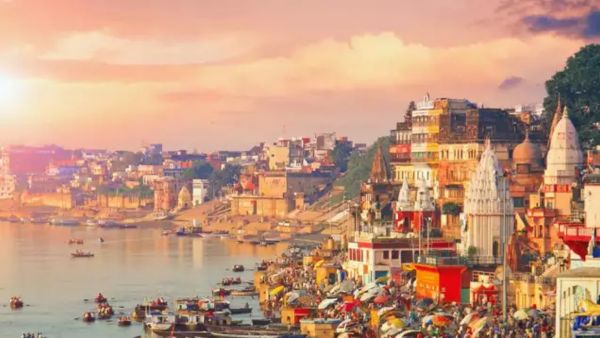
Good news for travellers! The Indian Railways is set to make travel to some of the most revered religious destinations in the country significantly easier, thanks to three new rail line projects in the Indian states of Maharashtra, Madhya Pradesh, and Uttar Pradesh. For those planning to visit the jyotirlingas in Nashik (Trimbakeshwar), Khandwa (Omkareshwar), and Varanasi (Kashi Vishwanath), they can look forward to smoother journeys, alongside better access to popular tourist destinations and improved freight transport. As per reports, the new projects involve the construction of the Jalgaon–Manmad fourth line (160 km), the Bhusaval–Khandwa third and fourth lines (131 km), and the Prayagraj–Manikpur third line (84 km), covering a total of 375 km. If reports are to go by, these developments are expected to reshape travel and logistics in seven districts across aforementioned Indian states, benefiting over 1,300 villages and a population of 38 lakh. For those planning to go on spiritual trips or pilgrimages, the new railway routes mean hassle-free access to the pilgrimage destinations, and also better connectivity to other popular religious sites such as Prayagraj, Chitrakoot, Gaya, and Shirdi. If reports are to go by, the additional infrastructure will also mean more passenger trains to operate on the Mumbai–Prayagraj–Varanasi route. This move will not only reduce the total travel time, but also will help reduce congestion on one of the busiest corridors in India. As per reports, besides religious tourism, these new rail projects will also make it easier for travellers to access major tourist destinations like the UNESCO World Heritage Sites of Khajuraho and the Ajanta and Ellora Caves. Visitors will also find it easier to explore historic landmarks like Devagiri Fort, Asirgarh Fort, and Rewa Fort, or natural wonders such as Yawal Wildlife Sanctuary and the breathtaking Keoti and Purwa Waterfalls. Apart from pilgrimage and tourism, these new rail lines will also play a crucial role in boosting the country’s economy by facilitating the transport of agricultural products, fertilizers, coal, steel, cement, and containers. In conclusion, now the travellers will be able to visit some of India’s most sacred sites and cultural gems more quickly and easily. This is one of the many initiatives the Indian Railways is bringing to travellers, not just from India, but also from all over the world.
Read more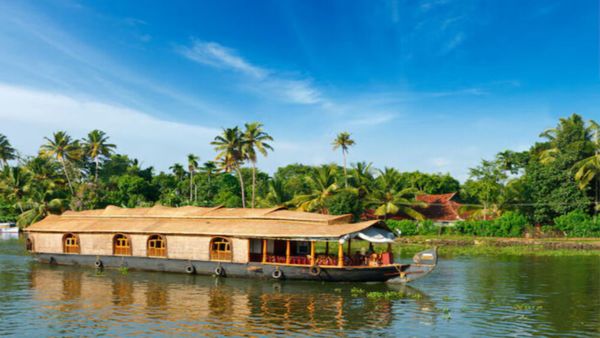
Kerala Houseboats In Spotlight As Tourists Demand Astonishing Variety
- Nov 26,2024
- Travel And Tour World
Overnight tours on houseboats are losing their charm for international tourists, primarily because of restrictions on nighttime sailing and the lack of appealing anchoring spots for relaxation and entertainment. This trend has led to a noticeable decline in foreign bookings for overnight houseboat experiences, according to travel and tour operators. While a day cruise across the expansive backwaters of Kochi, Alappuzha, and Kottayam offers a captivating experience, especially for first-time visitors, seasoned travelers often find the nighttime stay less engaging. With no sailing permitted after dark, houseboats are typically moored to trees along the shore, leaving guests confined to their cabins for the night. This limited activity has contributed to the growing disinterest among tourists seeking more vibrant and engaging experiences. As a result, many tourists visiting Kerala now prefer day tours, which typically last four to five hours and include a serene mid-lake lunch. Over the years, the actual time spent sailing has gradually decreased, with most houseboats beginning their cruises at 11:30 a.m. or even as late as 1:00 p.m. Currently, about 1,200 houseboats operate across the picturesque backwaters and lakes in Kerala’s popular destinations like Alappuzha, Kochi, and Kottayam. Tour operators have called for government intervention to revitalize the houseboat experience. Suggestions include relocating stake nets to expand navigable areas and introducing more scenic and relaxing nighttime anchoring spots. While many modern houseboats are equipped with five-star interiors and can host conferences, business meetings, private events, and family gatherings, the overall approach to these tours remains largely unchanged since the first modified kettuvallams began catering to tourists in the 1970s. For Kerala’s iconic houseboats to regain their allure, operators argue that innovation and modernization are essential. The government should work closely with fishermen to relocate stake nets, permit appropriate lighting, and expand sailing zones for houseboats, according to India Destination Tours. Creating designated anchoring spots in the middle of the lake and providing spaces onshore for music and entertainment programs could significantly enhance the experience for tourists during overnight tours. In earlier times, houseboats were allowed to sail at night, offering a more dynamic experience for travelers. Despite the growing concerns, Kerala Tourism has yet to implement measures to make houseboat tours more engaging. A district tourism official explained that night tours remain prohibited as they could interfere with fishing nets, which has prevented any changes in the current operations.
Read more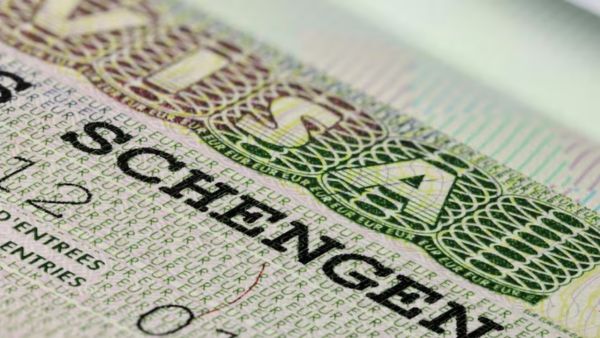
Romania and Bulgaria to Join Schengen Area in January 2025
- Nov 26,2024
- Travel And Tour World
Two more countries, Romania and Bulgaria, are set to join the Schengen Area by January 2025, according to Hungarian officials cited by Economic Times. This significant development comes after years of partial membership following their European Union accession in 2007. Both nations have long awaited full Schengen integration, which promises to simplify travel and bolster connectivity across Europe. A Long-Awaited Inclusion Although Romania and Bulgaria joined the EU in 2007, their full integration into the Schengen Zone was delayed due to concerns over illegal migration, particularly voiced by Austria, which had opposed their entry. While air and maritime border checks were removed as of March 2023, land borders remained restricted. Recent diplomatic efforts appear to have resolved these longstanding issues. During a meeting in Budapest, attended by interior ministers from Austria, Bulgaria, Hungary, and Romania, Austria agreed to lift its opposition. This agreement is expected to pave the way for a final decision by EU interior ministers in December 2024, formally approving Romania and Bulgaria’s full membership in the Schengen Area. Expanded Schengen Zone: Current and Future Composition The Schengen Zone, a unique area allowing passport-free travel between member states, currently comprises 29 European countries: EU Members: Belgium, Croatia, Czech Republic, Denmark, Germany, Estonia, Greece, Spain, France, Italy, Latvia, Lithuania, Luxembourg, Hungary, Malta, Netherlands, Austria, Poland, Portugal, Slovenia, Slovakia, Finland, and Sweden. Non-EU Members: Iceland, Liechtenstein, Norway, and Switzerland. With the inclusion of Romania and Bulgaria, the Schengen Area will become even more expansive, making it easier for travelers to explore these regions seamlessly. Security Measures to Facilitate Membership To address security concerns, particularly along Bulgaria’s borders, the integration process includes deploying at least 100 border guards along the Bulgaria-Turkey border. Hungarian Interior Minister Sándor Pintér confirmed this step, noting it as a crucial move toward achieving full membership. The decision has been well-received by EU officials. Home Affairs Commissioner Ylva Johansson and European Commission President Ursula von der Leyen hailed the agreement as a historic moment, emphasizing that Romania and Bulgaria “fully belong” in the Schengen Zone. Johansson remarked that the decision represents greater freedom for citizens of these two countries and aligns with the EU’s commitment to fostering mobility within its borders. Impact on Global Travelers and Tourism Expanded Travel Opportunities The inclusion of Romania and Bulgaria in the Schengen Area will allow travelers holding Schengen visas to visit these two nations without additional border checks. This development is expected to: Simplify travel: Tourists and business travelers will benefit from seamless cross-border movement. Boost tourism: Romania and Bulgaria’s integration will position them as attractive destinations, increasing visitor numbers and enhancing local economies. Strengthen trade ties: The move will facilitate smoother transportation of goods across European markets. Enhanced Benefits for Indian Travelers The expansion coincides with a cascade visa regime introduced in April 2024 for Indian nationals. Under this scheme, Indian travelers with an established travel history can be granted: Two-year multi-entry visas after utilizing two visas within three years. Five-year multi-entry visas upon meeting specific criteria, such as valid passports. This policy aims to simplify the visa process for Indian citizens, encouraging more frequent visits to Europe and potentially including Romania and Bulgaria in their itineraries. Implications for the Travel Industry The full integration of Romania and Bulgaria into the Schengen Area represents a significant milestone for the European travel industry. By eliminating border checks, the move is expected to: Streamline travel logistics: Making multi-destination trips within Europe more efficient. Increase demand for tourism services: Airlines, hotels, and tour operators in Romania and Bulgaria stand to benefit. Encourage global travel: The simplified Schengen visa process, coupled with expanded travel options, will attract international visitors.
Read more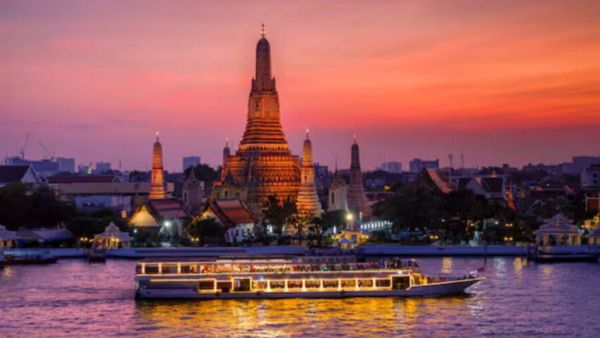
Thailand And Malaysia Propel Regional Tourism To New Heights
- Nov 26,2024
- Travel And Tour World
Thailand and Malaysia strengthen tourism ties under the “Six Countries, One Destination” initiative, aiming to simplify travel and boost Southeast Asian connectivity. Thailand’s Ministry of Foreign Affairs, led by Minister Maris Sangiampongsa, has dispatched a team of advisers to Malaysia to strengthen tourism cooperation between the two nations. This move underscores Thailand’s commitment to fostering closer ties within the region and enhancing mutual economic opportunities through tourism. The visit is part of the Thai Government’s ambitious “Six Countries, One Destination” initiative, which aims to promote seamless travel across Southeast Asia. By encouraging greater connectivity and collaboration among neighboring countries, the initiative seeks to position the region as a unified and attractive destination for international travelers. During the discussions, both sides focused on simplifying border crossing procedures to make travel between Thailand and Malaysia more convenient for tourists. Ideas were exchanged on increasing the frequency of flights between key cities, which would help boost accessibility and attract more visitors to both nations. Another key topic was cross-border transportation, with both countries exploring options to improve connectivity through road and rail networks. Additionally, the delegation emphasized the importance of coordinated efforts in promoting shared cultural festivals and events, showcasing the rich heritage and traditions of both nations to a global audience. To further enhance their appeal to travelers, both parties discussed developing special travel packages and deals. These initiatives aim to attract more visitors while offering unique experiences that highlight the best of Thailand and Malaysia. Such efforts are expected to strengthen the tourism sectors of both countries and support the broader goal of regional integration.
Read more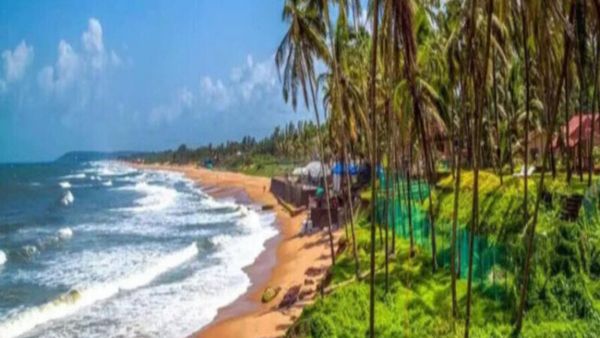
Mangaluru Turns To Affordable International Getaways Amid Domestic Price Surge
- Nov 26,2024
- Travel And Tour World
Rising hotel expenses and surcharges are driving Mangaluru residents to favor international vacations over domestic trips, as overseas travel often turns out to be more budget-friendly. Travel industry experts reveal that many Mangalureans are skipping domestic holiday plans and instead exploring destinations like Malaysia, Singapore, Vietnam, Thailand, and Sri Lanka. They are particularly drawn to countries offering visa-on-arrival or free visa facilities, making international travel more accessible and cost-effective. Dubai has also emerged as a popular choice among travelers. The preference for international destinations is largely driven by the steep expenses of Indian holiday spots, which become significantly higher during peak travel seasons. Eulalia D’Souza, owner of Lia Travels and Tours, recounted an instance where a group of seven young travelers sought her assistance in planning a weeklong domestic trip to Rajasthan and nearby states. The estimated cost per person was approximately ₹1.23 lakh, with ₹35,000 allocated solely for airfare. In comparison, when they explored international options like Sri Lanka and Malaysia for the same duration, the expenses were considerably lower. For instance, round-trip airfare to Colombo was approximately ₹20,000. Elevated domestic airfare, soaring hotel rates, pollution, and traffic congestion are key factors discouraging Indians from choosing to travel within the country. A portion of these high costs is driven by wedding season demand, making domestic destinations less appealing. In comparison, international spots like Phuket or Sri Lanka often offer better value, making them more affordable alternatives to popular Indian locations like Goa.
Read more
New Zealand updates visa policies for students
- Nov 26,2024
- Times Of India
New Zealand has recently announced major changes to its Post-Study Work Visa (PSWV) eligibility criteria. The changes are expected to make the country even more appealing to overseas students, particularly those pursuing postgraduate qualifications. Under the new rules, students who complete a 30-week postgraduate diploma (PGDip) and then immediately enroll in a Master’s degree program will now be eligible for a PSWV. Previously, students who transitioned to a Master’s without completing the full 30-week period were excluded from the visa program. As per reports, Immigration New Zealand (INZ) clarified that this change addresses a key gap in the earlier policy, offering more flexibility to students pursuing combined postgraduate qualifications. If reports are to go by, in 2023, more than 69,000 international students enrolling in various courses in New Zealand. This marks a 67% increase from the previous year. For international students, the appeal of studying in New Zealand extends beyond its world-class education system. More often than not, the chance to gain work experience after graduation is one of the main factors in choosing a study destination, especially when it is a foreign destination. Now, with the revised Post Study Work Visa rules, international students have a clear pathway to explore work opportunities. There's no denying that the policy changes are a step in the right direction, but once can't overlook the backdrop of concerns - the high visa rejection rates. For many Indian students, the high rejection rates is an important issue, and an important hurdle to cross. With rejection rates high, one would definitely rethink before considering studies overseas. It's no surprise that there are challenges , but with the changes in the visa policy, New Zealand is likely to strengthen its position as a preferred destination for international students. It is also important to note that other countries like the UK and US are currently tightening immigration policies. The global competition for international students is no doubt heating up. So amid all this, New Zealand addressing gaps in its visa policies and ensuring students have access to opportunities that match their aspirations, is not only attracting more talent but also solidifying its reputation as a top-tier study destination.
Read more