

Northeast will soon see increase in flight operations
- Nov 26,2024
- Times Of India
According to the recent developments, there will soon be more flights available to places in the Northeast. Reports add that low-cost carrier Air India Express has announced a major increase in the number of flights it will operate from the important northeastern cities of Guwahati, Imphal, and Agartala over the winter. This strategic move aims to enhance connectivity across India and strengthen the airline’s presence in the region. Enhanced connectivity from Guwahati Guwahati is reportedly the focus of this development, with weekly flights rising to 106, a significant increase from the 63 flights provided the previous winter. Direct flights to eight major cities—Delhi, Chennai, Kolkata, Bengaluru, Hyderabad, Imphal, Jaipur, and Agartala—are part of the updated itinerary. The airline also offers one-stop service to eighteen domestic and six overseas destinations. Growth in Imphal and Agartala operations The airline has also expanded its operations in Imphal, offering 34 weekly flights compared to just 14 during the previous winter. Agartala, a newer addition to the airline’s network as of September 2024, now operates 21 weekly flights, up from 14. These cities are directly connected to Kolkata and Guwahati, with one-stop connectivity to 11 additional domestic destinations. Boosting regional air networks This expansion will strengthen the regional air network, positioning Guwahati as a critical link between the northeast and the rest of India, said Chief Commercial Officer Ankur Garg. It is anticipated that the improved connectivity will facilitate travel for both domestic and foreign travellers and promote regional development. A fleet ready for growth Under the Tata Group's aviation umbrella, Air India Express is aligning its fleet to meet growing demands. By 2025, the airline plans to adopt a full economy configuration, eliminating business class seats to cater to budget-conscious travellers. With a fleet of over 90 aircraft, Air India Express is well-equipped to support the increasing demand from emerging cities in India. By addressing the changing demands of passengers and bridging the gap between this dynamic region and the rest of the nation, this expansion represents a major step in enhancing air connectivity in the northeast.
Read more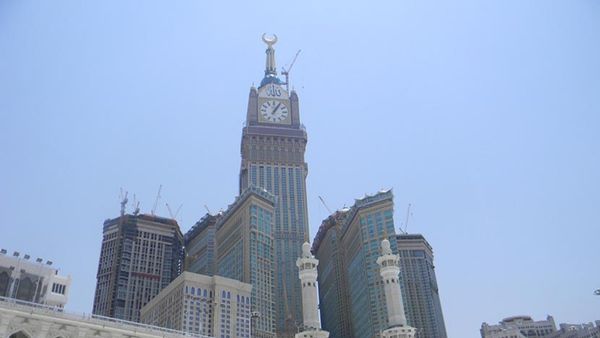
Saudi Arabia Tourism Sees Rapid Boom in Travel Sector with International Extravaganza and Sports Events
- Nov 25,2024
- Travel And Tour World
Saudi Arabia is witnessing an unprecedented surge in tourism, fueled by the record-breaking success of Riyadh Season 2024 and strategic initiatives aligned with Vision 2030. With more than 6 million visitors recorded within just five weeks, Riyadh Season is setting new benchmarks and cementing the capital’s position as a global tourism destination. This meteoric rise in visitor numbers highlights Saudi Arabia‘s growing appeal to both domestic and international travelers, supported by exceptional entertainment events, cultural activities, and enhanced accessibility. Riyadh Season 2024: Breaking Records Riyadh Season, now in its latest edition, continues to captivate audiences with its diverse offerings. The event welcomed 2 million visitors in its opening week and quickly surged to 4 million by the end of its first month. Just this week, official figures confirmed that over 6 million people have attended Riyadh Season within five weeks—a significant achievement considering the total attendance for Riyadh Season 2023 was 18 million. From international concerts and theatrical performances to interactive exhibits and immersive experiences, Riyadh Season has become a cornerstone of Saudi Arabia‘s entertainment and tourism sectors. Its success underscores the Kingdom’s ability to host large-scale, world-class events that attract global attention and participation. Rising Hotel Occupancy in Riyadh The ripple effect of Riyadh Season’s popularity is evident in the hospitality sector. During the recent mid-year school break, Riyadh’s 5-star hotels achieved an impressive 97% occupancy rate. Overall, hotel and apartment occupancy across the city exceeded 90%, a clear testament to the city’s thriving tourism ecosystem. The surge in accommodation demand is driven not only by Riyadh Season but also by a robust calendar of international conferences, sporting events, and cultural festivals. These activities have collectively positioned Riyadh as a prime destination for leisure and business travel. Vision 2030: Driving Tourism Growth Saudi Arabia’s Vision 2030 has been a transformative force in diversifying the Kingdom’s economy away from oil dependence. Tourism has emerged as a key pillar of this vision, with significant investments and policy reforms aimed at making Saudi Arabia a global tourism hotspot. The Saudi Ministry of Tourism has streamlined the licensing process for hospitality facilities, encouraging the development of new hotels, resorts, and serviced apartments to cater to the growing influx of visitors. In addition, Saudi Arabia has implemented measures to enhance the overall visitor experience. These include an easier visa application process and the introduction of new and renewed direct flight routes connecting the Kingdom to major cities in Europe and the Far East. These efforts have made Saudi Arabia more accessible to international tourists, driving a 73% increase in international arrivals. Saudi Arabia’s tourism sector is experiencing a golden era, driven by the success of Riyadh Season 2024, Vision 2030 initiatives, and strategic investments in infrastructure and accessibility. With record-breaking attendance figures, impressive hotel occupancy rates, and exponential growth in international tourism revenues, the Kingdom is well on its way to becoming a premier global destination. As visitors from around the world flock to Saudi Arabia for its cultural, entertainment, and sporting events, the Kingdom continues to redefine the tourism landscape. Riyadh Season 2024 serves as a shining example of what is possible when vision meets execution, setting the stage for even greater achievements in the years to come.
Read more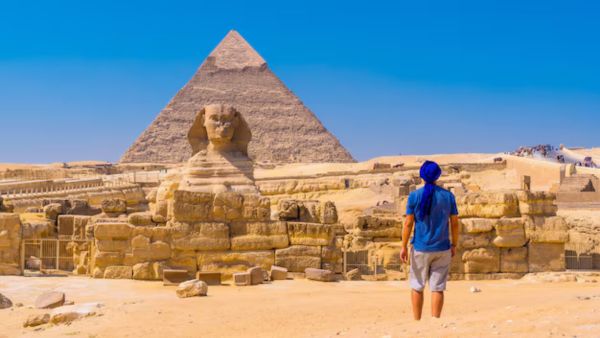
Egypt tourism industry is surging with visa free travel to 112 countries
- Nov 25,2024
- Travel And Tour World
Egypt, as of November 2024, continues to shine as a premier global travel destination, attracting visitors from 112 visa-free countries and beyond. Famous for its timeless landmarks such as the Pyramids of Giza and the Valley of the Kings, as well as the stunning Red Sea beaches, the country offers a unique blend of history, culture, and natural beauty. From vibrant bazaars in Cairo to serene Nile cruises and world-class diving spots in Hurghada, Egypt caters to diverse travel interests. Enhanced infrastructure and simplified visa processes have further solidified its status as a top choice for international tourists. Egypt’s Tourism Revenue and Arrivals See Modest Growth in Early 2024 In the first half of 2024, Egypt’s tourism revenue grew by 5%, reaching $6.6 billion compared to $6.3 billion in the same period of 2023. According to the Ministry of Tourism and Antiquities, 7.069 million tourists visited Egypt between January and June 2024, a slight increase of 0.1% from 7.062 million the previous year. The number of nights spent in Egypt also rose to 70.2 million, up from 67.6 million in 2023. Egypt’s GDP in 2023 Egypt’s Gross Domestic Product (GDP) in 2023 was recorded at $39,592.61 crore USD, reflecting the country’s significant economic activities across sectors like tourism, agriculture, and energy. This robust figure underscores Egypt’s position as a major economic hub in the Middle East and North Africa region, driven by infrastructure projects and economic reforms aimed at fostering sustainable growth. Mr. Anup Kumar Keshan, Chief Editor of Travel and Tour World, said, “Egypt’s tourism growth in recent years is truly remarkable, reflecting both the country’s rich cultural heritage and its efforts to improve accessibility and infrastructure. With a steady increase in tourist arrivals, particularly from 112 visa-free countries, Egypt has successfully positioned itself as a must-visit destination for travelers seeking history, adventure, and relaxation. The continued development of its iconic landmarks, combined with enhanced services and modern amenities, promises even greater growth in the years to come. Egypt is undoubtedly on track to strengthen its position as one of the world’s leading tourism hotspots.” Airports in Egypt Egypt is home to 21 major airports, serving as key hubs for both domestic and international travel. Among them, Cairo International Airport (CAI) stands out as the busiest, with 45 airlines operating flights to and from 81 destinations worldwide. Other significant airports include Hurghada International Airport (HRG), which serves 17 airlines flying to 26 destinations, Luxor International Airport (LXR), connecting 5 airlines to 7 destinations, and Borg El Arab International Airport (HBE) in Alexandria, facilitating 17 airlines to 21 destinations. These airports are vital gateways for tourism, trade, and travel across the region. Airlines in Egypt Egypt’s aviation industry is led by EgyptAir, the nation’s largest airline and a prominent member of the Star Alliance. Operating a modern fleet of Airbus and Boeing aircraft, EgyptAir connects travelers to 90 destinations globally, with its main hub at Cairo International Airport. Other noteworthy airlines include Air Cairo, which focuses on regional routes with 57 destinations and a fleet of 25 aircraft, FlyEgypt, a growing low-cost carrier with 10 destinations, and Nile Air, which serves 23 destinations with a smaller but efficient fleet. These airlines play a crucial role in Egypt’s connectivity and tourism growth. Best Time to Visit Egypt The best time to visit Egypt is during the winter season (October to April). The weather is mild and pleasant, making it ideal for exploring historical sites and desert landscapes. Peak tourist months are December and January, especially for places like Cairo, Luxor, and Aswan. Avoid visiting during summer (May to September) due to extreme heat, especially in southern regions.
Read more
8 important things to know about Haryana's first hydrogen-powered train
- Nov 25,2024
- Times Of India
Good news! Indian Railways is now all set to launch its hydrogen-powered train in December 2024. It will mark a significant step towards sustainable transportation. This eco-friendly train will run on the Jind-Sonipat route in Haryana. Let’s find out more about this train: India’s first Hydrogen-Powered train: It is India’s first hydrogen-powered train in December 2024. This major milestone in sustainable transportation will take place on the 90-kilometer Jind-Sonipat route in Haryana, marking a significant step towards reducing the country's carbon footprint. Zero Emissions: The hydrogen-powered train uses advanced fuel cells to generate electricity, emitting only water vapor as a byproduct. This makes it a completely zero-emission solution, contributing to Indian Railways' goal of achieving net-zero carbon emissions by 2030. Why Jind-Sonipat was chosen: The Jind-Sonipat route was chosen for the trial due to its moderate traffic and well-developed infrastructure, which will allow for an efficient evaluation of the train's performance, safety, and operational capabilities. Successful trials here will help extend the technology to other non-electrified routes in the future. Hydrogen trains are quieter: In addition to being eco-friendly, hydrogen trains are quieter and more energy-efficient than conventional diesel-powered trains. This reduction in noise pollution and improved energy use makes them a better choice for sustainable transportation. Cost-effectiveness: As hydrogen fuel production scales up, the costs of operating hydrogen-powered trains are expected to decrease. This will make the trains more affordable over time, benefiting both the railways and passengers by offering a more cost-effective transport solution. No Need for Electrification: Hydrogen trains can operate on non-electrified tracks, eliminating the need for expensive electrification projects. This feature makes them a versatile alternative to traditional diesel engines, especially for rural or less-developed routes where electrification is impractical. Plans for Expansion: Indian Railways aims to introduce 35 hydrogen-powered trains by 2025, focusing on routes currently dependent on diesel. This expansion will help reduce the environmental impact of rail transport and support the broader shift toward clean energy. Investment: Each hydrogen-powered train is estimated to cost ₹80 crore, with an additional ₹70 crore required for building the necessary infrastructure. Indian Railways is collaborating with both domestic and international partners to develop hydrogen production and storage capabilities, ensuring the successful implementation of this sustainable transport initiative.
Read more
Schengen visa holders can now explore two more countries in Europe
- Nov 25,2024
- Times Of India
As per the latest development, Romania and Bulgaria are likely to become full members of the Schengen area from January 2025. After years of limited inclusion, Romania and Bulgaria are expected to reach a significant milestone, and gain complete membership in the Schengen Area. As previously reported, border controls were lifted for air and sea travel, while the two Balkan countries that joined the European Union in 2007 were granted partial membership in the Schengen Area in March 2023. However, due to worries about illegal migration, especially those expressed by Austria, which had banned their entry into the zone, there were restrictions at land borders. Recent discussions in Budapest involving Austria, Bulgaria, Hungary, and Romania’s interior ministers have led to Austria lifting its opposition. This breakthrough allows for a final decision to be made by EU interior ministers in December 2024. Romania and Bulgaria are now "one step closer" to joining Schengen as full members, according to Hungarian Interior Minister Sándor Pintér. The deployment of at least 100 border guards along the Bulgaria-Turkey border to improve migratory control is a crucial need for this advancement. EU authorities, notably European Commission President Ursula von der Leyen and Home Affairs Commissioner Ylva Johansson, have mostly praised the action. Romania and Bulgaria now "fully belong" to the Schengen Area, according to Johansson, who hailed the move as a step towards complete freedom for the people of both countries. The Schengen Area, which currently consists of 23 of the 27 EU member states as well as Switzerland, Norway, Iceland, and Liechtenstein, facilitates simple borderless travel. Its advantages for free movement help millions of travellers every day. The full integration of Romania and Bulgaria will enhance the Schengen Area’s accessibility and strengthen its external borders. This expansion signifies a growing sense of unity within the European Union and highlights the progress Romania and Bulgaria have made in addressing migration and security concerns. What it means for travellers Travelling across borders will be easier for visitors now that Romania and Bulgaria are part of the Schengen Area. Lower administrative barriers will benefit enterprises and tourists, and these countries' inhabitants will have greater mobility. With this development, the Schengen Area is moving toward its goal of creating a more interconnected and cohesive Europe as Romania and Bulgaria are ready for full integration. Travellers can anticipate a more uniform and accessible Schengen experience beginning in January 2025.
Read more
Ahmedabad's Jagannath Mandir corridor beautification to connect 35 temples
- Nov 25,2024
- Times Of India
The very famous Jagannath Temple of Ahmedabad is all set to see a remarkable change with the launch of a new corridor inspired by the Kashi Vishwanath Corridor. This redevelopment initiative, spearheaded by the Ahmedabad Municipal Corporation (AMC), seeks to enhance the pilgrimage experience, drawing from the temple’s cultural and spiritual significance as the starting point for Gujarat's grand Rath Yatra. The ambitious ₹155 crore Temple Link Project aims to connect 35 ancient temples across the city through a 2-kilometer heritage trail. The trail will begin at Vasant Chowk and pass by key landmarks such as the Ganesh Temple and Saptarshi No Aaro, ultimately leading to the Jagannath Temple. The corridor will also follow the traditional Jal Yatra route, creating a continuous link between various religious sites. Alongside this, the project includes the development of temple squares, gardens, and a heritage interpretation center that will showcase Ahmedabad's rich cultural legacy. A key feature of the project is the construction of a multilevel parking facility with a capacity to accommodate 750 vehicles, addressing traffic congestion, particularly during major events like the Rath Yatra. The redevelopment will be carried out in three phases: Phase 1: This phase focuses on the renovation of temples near Vasant Chowk and Rambari, located along the Sabarmati River. The goal is to restore the ancient structures while preserving their historical charm and architectural beauty. Phase 2: The next phase will concentrate on the development of a grand plaza in front of the Jagannath Temple, designed to provide a grand entryway for visitors. In addition, temples near Saptarshi No Aaro will be restored, and a heritage gate will be constructed along the Sabarmati River to further enhance the area’s cultural significance. Phase 3: This phase will focus on Tilak Bag, where a 1,600 square-meter heritage center will be built. A multilevel parking facility will also be constructed to further alleviate traffic issues in the area. Additionally, a spacious visiting plaza capable of accommodating up to 4,000 devotees will be constructed outside the temple, creating an inviting space for worshippers and enhancing the spiritual atmosphere. The development also includes upgrades to the Jal Yatra route, which connects the Jagannath Temple to the Sabarmati River, ensuring a smooth journey for pilgrims during the festival. This transformation will not only improve the infrastructure surrounding the Jagannath Temple but also ensure a more enriching and accessible pilgrimage experience for devotees.
Read more