
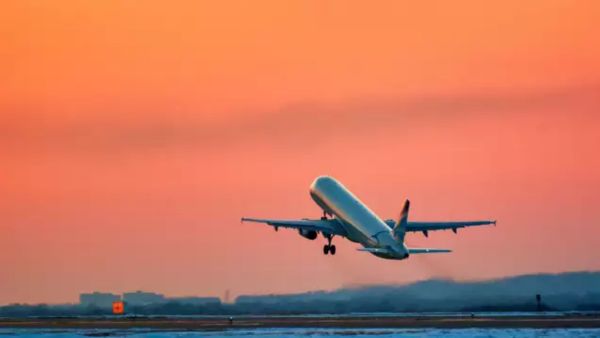
Soon, direct flights from from Tashkent to Goa
- Sep 07,2024
- Times Of India
As per the latest development, Uzbekistan Airways is all set to commence direct flights that will connect Tashkent to Goa from October 27, 2024, onwards. If reports are to go by, the airline will operate twice a week between Tashkent and Gan’s Manohar International Airport Mopa. This newly opened route will be serviced by the new Airbus A320 Neo, aimed at increasing the connectivity and the cultural exchange between Uzbekistan and Goa. If reports are to go by, these flights have been introduced after persistent endeavour of the Uzbekistan Embassy, Indian tour operators, as well as the Indian Embassy in Tashkent. The Goa Department of Tourism had also played a crucial role in establishing this link. These developments are in line with the process of pushing Goa in international tourism markets, with the Goa’s Department of Tourism gearing up for the Tashkent International Tourism Fair (TITF) to take place to promote the state. The Hon’ble Minister for Tourism, Mr. Rohan A. Khaunte said he was enthusiastic that Goa has got a new flight connection, which is a big leap in connectivity to Central Asia.’ He said, “The introduction of direct flights from Tashkent to Goa is a major step in increasing Goa’s connectivity with Central Asia This new route will not only bring in more tourists for Goa but also help in strengthening the cultural relations between Goa and Uzbekistan We are planning to make Goa as a easily accessible tourist destination for people across the world.” This plan was further backed by Shri Suneel Anchipaka, IAS, Director of Tourism/Managing Director of Goa Tourism Development Corporation (GTDC) added that the decision of Uzbekistan Airways to start flying its planes to Goa shows the increasing trends in global interest in the potential Goa has in the tourism industry value chain. He further added that this direct connectivity will undoubtedly enhance the travel experience for visitors from Uzbekistan, making Goa more accessible and inviting. This new route complies with Goa's border plan to create a new tourist market and to become a year-round tourism attraction. Goa will get the opportunity to get into the market which is largely untapped in Uzbekistan, and offer them a glimpse of India and Goa in particular, the beaches, the vibrant history, and the cultural backdrop. With the addition of direct flights from Uzbekistan, it’s expected that the Goa tourism sector would see significant growth, which will eventually lead to boosting footfall of visitors in the region, and promote local businesses.
Read more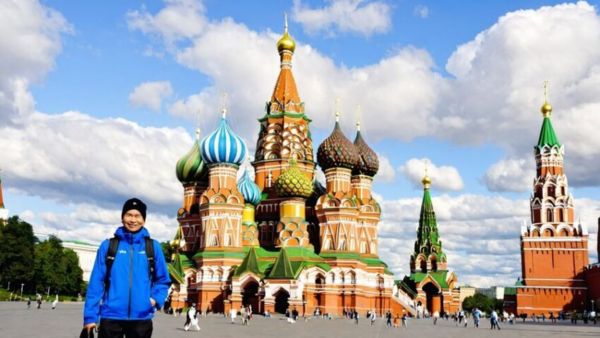
Malaysian Prime Ministe Expresses Optimism For Economic Partnerships And Growth In Tourism
- Sep 07,2024
- Travel And Tour World
Prime Minister Anwar Ibrahim aims to strengthen Malaysia-Russia ties by inviting Russian investments and boosting tourism between the two countries. Malaysia is looking to expand its economic and cultural ties with Russia, eyeing both an increase in business cooperation and a boost in tourism between the two nations. Prime Minister Datuk Seri Anwar Ibrahim shared his aspirations for Malaysia’s future with Russia during an interview with RIA Novosti and RT, reported by Sputnik. The prime minister highlighted the potential for Russian companies to establish a strong presence in Malaysia and emphasized the opportunities for growth in tourism. These remarks were made during the Eastern Economic Forum (EEF) 2024, taking place in the coastal city of Vladivostok, Russia. This forum has been a key event for discussing economic cooperation in the Asia-Pacific region, with Malaysia and Russia being two important players. The Malaysian Prime Minister expressed confidence that the relationship between the two nations could flourish with new investment ventures, joint projects, and an increase in Russian tourist inflows. Prime Minister Anwar Ibrahim’s comments during the Eastern Economic Forum reflect Malaysia’s broader vision of international cooperation, particularly within the Asia-Pacific region. Malaysia’s foreign policy is centered on building strong, mutually beneficial partnerships with countries around the world, and Russia is seen as a key partner in this strategy. The Eastern Economic Forum, with its focus on regional collaboration and economic development, provided the ideal platform for Malaysia to articulate its aspirations for closer ties with Russia. By fostering new business opportunities, promoting tourism, and encouraging cultural exchange, Malaysia aims to position itself as a hub for international cooperation and economic growth. As the global economic landscape continues to evolve, Malaysia is committed to being at the forefront of innovation, sustainability, and collaboration. The prime minister’s remarks underscore the importance of building strong relationships with countries like Russia, which can contribute to Malaysia’s ongoing growth and development. The Eastern Economic Forum 2024 has underscored the potential for Malaysia and Russia to deepen their economic and cultural ties. Prime Minister Datuk Seri Anwar Ibrahim’s vision for increased Russian investment and tourism in Malaysia reflects the country’s broader goals of international cooperation and economic diversification. By leveraging its strategic location, business-friendly environment, and growing tourism sector, Malaysia is well-positioned to strengthen its partnership with Russia and other countries in the Asia-Pacific region. With continued efforts in promoting trade, investment, tourism, and cultural exchange, Malaysia hopes to build a future of shared prosperity with Russia, benefiting both nations and contributing to the stability and growth of the broader region.
Read more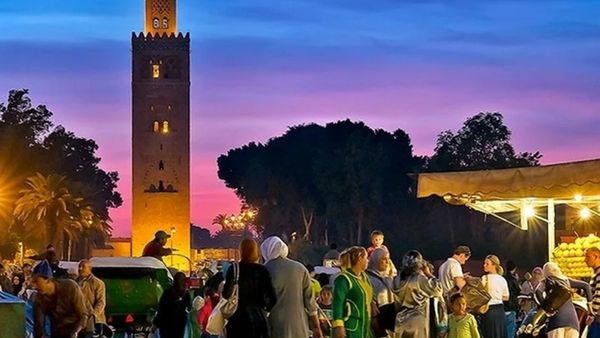
Morocco’s Tourism Sector Thrives with Significant Growth in Summer 2024
- Sep 06,2024
- Travel And Tour World
Morocco’s tourism sector experienced remarkable growth during the summer of 2024, marking a significant rebound following the global challenges that impacted travel. With the country’s diverse cultural heritage, vibrant cities, and stunning natural landscapes, Morocco has become a top destination for international tourists. This surge in tourism can be attributed to several key factors, including strategic marketing campaigns, enhanced air connectivity, and an emphasis on promoting sustainable and eco-friendly tourism practices. These efforts have not only drawn tourists from traditional markets such as Europe but also from emerging ones like the Middle East and Asia. One of the primary contributors to this growth has been Morocco’s successful partnership with international airlines, increasing the frequency and capacity of flights to major destinations such as Marrakech, Casablanca, and Agadir. Royal Air Maroc, the national carrier, played a pivotal role in enhancing the connectivity between Morocco and key tourist markets, including Africa, Europe, and North America. These efforts have made travel to Morocco more convenient and accessible, encouraging a steady flow of international visitors throughout the summer season. Another factor driving the growth is the government’s focus on promoting sustainable tourism. Morocco has made strides in developing eco-friendly initiatives, such as the preservation of cultural sites and the promotion of eco-tourism in regions like the Atlas Mountains and the Sahara Desert. These initiatives not only attract environmentally conscious travelers but also help preserve the country’s natural and cultural heritage for future generations. The eco-tourism sector, in particular, saw a significant increase in bookings, with tourists eager to explore the country’s natural beauty while supporting local communities. Cultural festivals and events have also played a vital role in boosting Morocco’s tourism sector. The summer of 2024 saw an array of music festivals, culinary events, and art exhibitions that attracted both local and international audiences. Events like the Fez Festival of World Sacred Music and the Marrakech International Film Festival have gained global recognition, showcasing Morocco’s rich cultural diversity and fostering a sense of global connectivity. These events not only drive tourism numbers but also enhance the country’s reputation as a hub for arts and culture. Looking ahead, Morocco’s tourism outlook remains promising as the sector continues to invest in infrastructure, hospitality, and digital innovation. The implementation of advanced technologies such as mobile-friendly travel services and AI-driven customer experiences has further strengthened the country’s competitive edge. With ongoing efforts to diversify tourism offerings and attract a broader demographic of travelers, Morocco is well-positioned to sustain its upward trajectory in the tourism industry beyond the summer of 2024.
Read more
Australia Tourism is Surging with 9.5 million visitors
- Sep 06,2024
- Travel And Tour World
Australia, officially the Commonwealth of Australia, includes the mainland of the Australian continent, Tasmania, and numerous smaller islands. As a federal parliamentary constitutional monarchy, it comprises six states—New South Wales, Victoria, Queensland, Tasmania, South Australia, and Western Australia—and ten territories, including the Australian Capital Territory and Northern Territory known for its tropical beaches, marine reserves, rich Aboriginal culture, koalas, wine regions, and rainforests, Australia remains a top travel destination. In May 2024, the country recorded 601,000 visitor arrivals. For the year ending May 2024, visitor arrivals 9.5 million, a 16% decline, with significant drops from New Zealand, China, and the United Kingdom. International arrivals to Australia reflect a diverse range of visitors from various countries. In 2023, Australia welcomed 365,000 travelers from India, while New Zealand led with 1,076,000 arrivals. The United Kingdom and the United States followed closely with 553,000 and 576,000 visitors, respectively. Japan contributed 223,000 visitors, and China saw 387,000 arrivals. Korea added 210,000, Indonesia brought in 169,000, and Singapore accounted for 312,000. Malaysia’s arrivals totaled 152,000, showcasing the broad appeal of Australia as a travel destination. Airports in Australia: Sydney Airport: In 2023, Sydney Airport handled approximately 44.4 million passengers, showing strong recovery and growth in both domestic and international travel sectors. Melbourne Airport: Melbourne Airport recorded significant passenger traffic, with around 39.4 million passengers passing through its terminals in 2023, highlighting its importance as a major aviation hub. Brisbane Airport: Brisbane Airport served about 21.5 million passengers in 2023, reflecting a 27.16% increase from the previous year. This growth underscores its role as a key player in both domestic and international travel. Perth Airport: Perth Airport saw a substantial volume of passenger traffic, managing around 12.5 million passengers in 2023, contributing significantly to Western Australia’s connectivity. Adelaide Airport: Adelaide Airport handled approximately 7.5 million passengers in 2023, showcasing its vital role in facilitating travel to and from South Australia. Australia‘s tourism industry is a vital part of its economy, featuring diverse attractions such as the Great Barrier Reef, Sydney Opera House, and Uluru, which draw millions of international visitors annually. The sector is enhanced by a variety of festivals and events, including arts, music, and sports events.The combination of natural beauty, cultural richness, and strategic efforts to enhance the visitor experience ensures that Australia’s tourism industry will continue to thrive, contributing significantly to the country’s economic development and global presence.
Read more
Thailand’s New Schengen-Style Visa Can Surge the Tourism
- Sep 06,2024
- Travel And Tour World
Thailand’s recent proposal to introduce a Schengen-style visa system in Southeast Asia represents a significant shift in the region’s approach to tourism. This initiative, discussed by Thai Prime Minister Srettha Thavisin with representatives from Cambodia, Laos, Malaysia, Myanmar, and Vietnam, aims to simplify travel across these countries by allowing tourists to move freely without the need for multiple visas. The proposal is designed to replicate the seamless travel experience found in Europe’s Schengen Area, which has been highly successful in facilitating travel and boosting economic ties. In 2023 alone, Thailand welcomed 28 million tourists, underscoring the effectiveness of policies that ease travel restrictions. The new visa system could significantly enhance the appeal of the region to long-haul tourists, particularly those from Europe, North America, and other distant markets. By offering a unified visa for multiple countries, the region could see a substantial increase in tourist arrivals, which would, in turn, strengthen economic ties among the participating nations. Impact on Thailand’s Economy and Tourism Sector Tourism is a critical sector for Thailand, contributing approximately 12 percent to the country’s GDP and providing about 20 percent of its jobs. The introduction of a Schengen-style visa system could further enhance this sector by making Thailand, and its neighboring countries, more accessible to international tourists. Thailand’s well-developed tourism infrastructure, including its thriving wellness industry, positions it to benefit significantly from the expected increase in tourist arrivals. The visa initiative could make wellness experiences in Thailand more accessible, helping the country tap into the growing global wellness tourism market. Wellness tourism has become an increasingly important segment, with travelers seeking destinations that offer relaxation, rejuvenation, and health-related activities. By simplifying the visa process, Thailand could attract more wellness tourists, particularly from long-haul markets, boosting revenue and supporting local businesses. A Potential Game-Changer for Southeast Asia In summary, Thailand’s proposal for a Schengen-style visa system in Southeast Asia could have a transformative effect on the region’s tourism industry. By simplifying travel across multiple countries, the initiative could attract more long-haul tourists and boost economic ties. However, the success of this proposal will depend on careful planning to avoid potential pitfalls like overtourism and to ensure that all participating countries can meet the demands of increased tourist traffic. For the global traveler, this development could open up new and exciting opportunities to explore Southeast Asia with greater ease and convenience.
Read more
Tourism Minister Highlights Kerala Travel Mart in Kochi as a Boost for Global Tourism Growth
- Sep 06,2024
- Travel And Tour World
The 12th edition of the Kerala Travel Mart (KTM-2024) is gearing up to set new milestones as it returns to Kochi from September 26 to 29. According to Tourism Minister Shri P A Mohamed Riyas, the event is expected to exceed previous records, with an overwhelming response from both domestic and international buyers. Speaking at a press conference, Shri Riyas highlighted the unique significance of KTM, noting its role as a successful model of government-industry collaboration. Over the past 24 years, the biennial event has become a key contributor to the remarkable growth of Kerala’s tourism sector. The four-day event promises to showcase the best of the state’s travel offerings, reinforcing Kerala’s position as a global tourism hub. “KTM has over the years contributed significantly to market Kerala’s vast tourism potential in other states and abroad,” the Minister said. While KTM is making hectic efforts to see the event a resounding success, Kerala Tourism is also mounting campaigns focusing on domestic and international markets, he said. In the prevailing circumstances, these campaigns will also give prominence to Wayanad, devastated by the recent natural disaster. Though the calamity affected only a particular area, it has impacted the flow of tourists to other parts of the district. The campaigns will seek to market the whole of Kerala including Wayanad. The social media campaign with the catch word “Ente Keralam Ennum Sundaram” (My Kerala is ever beautiful) is part of this campaign, he said. The government sees KTM as a path leading to the vision of turning Kerala into a ‘tourist state,’ he said. Shri E M Najeeb presented the Kerala Travel Mart (KTM) Society’s contribution to the Chief Minister’s Distress Relief Fund during a ceremony, with the handover taking place in the presence of Tourism Minister Shri P A Mohamed Riyas. During the event, the Minister also unveiled the mobile app for KTM 2024, which is available for download on both Android (Google Play Store) and iOS (App Store) platforms. Attending the press meet were Tourism Secretary Shri K Biju, Tourism Director Smt Sikha Surendran, KTM Society President Shri Jose Pradeep, KTM Society Secretary Shri Swaminathan S, and past presidents Shri E M Najeeb and Shri Baby Mathew Somatheeram. Organized by the Kerala Travel Mart Society, the upcoming edition of KTM has already seen an unprecedented response, with domestic buyer registrations surpassing 2,035—doubling the previous high of 1,305 set in 2018. The international buyer registrations stand at 808, representing 76 countries. KTM-2024 will be held at the Sagara-Samudrika Convention Centre on Willingdon Island, with an inaugural ceremony followed by three days of business sessions. On the final day, September 29, the Expo will open to the public. Among the international buyers, the UK leads with 67 participants, followed by 60 from the Gulf, 55 from the US, 34 from Russia, and 245 from the rest of Europe. African countries contribute 41 buyers, with the remaining participants coming from East Asia. Domestically, Maharashtra tops the list with 578 buyers, followed by Delhi (340) and Gujarat (263). The event will feature 344 stalls across eight categories, with support from various state agencies and the tourism industry, backed by the Kerala Tourism Department. KTM 2024 is being hailed as a “total digital revolution,” with new software facilitating seamless B2B meetings. In line with Kerala’s commitment to sustainability, the event will strictly adhere to green protocols. KTM 2024 will also focus on Responsible Tourism and strengthening MICE (Meetings, Incentives, Conferences, and Exhibitions) tourism. The success of the G20 working group’s meeting at Kumarakom and Kovalam last year highlighted Kerala’s potential in hosting large-scale events. Additionally, cruise tourism will be a key focus, with organizers aiming to attract significant interest from this sector.
Read more