Airline Cuts and Fuel Crisis Disrupt Key Routes for UAE Travelers Across Multiple Countries

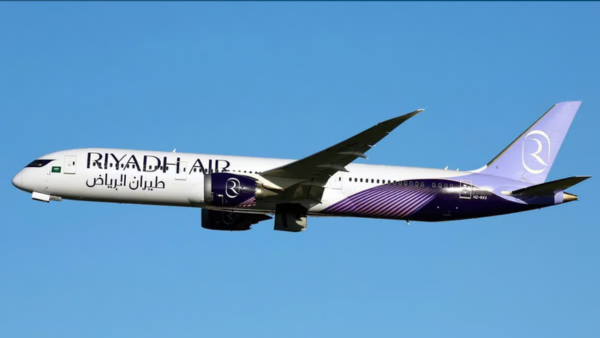
India joins Switzerland, the US, Malaysia, the UK, Sri Lanka, the Maldives, Bangladesh, and more countries as Air India and IndiGo implement massive flight reductions due to soaring jet fuel prices and operational pressures. These cuts hit popular routes used by UAE travellers, creating limited seat availability, longer transit times, and widespread disruption for passengers during the peak summer travel season. The surge in fuel costs, compounded by geopolitical tensions in the Middle East, has forced airlines to rationalise services, prioritise profitable routes, and suspend less essential connections, directly impacting UAE residents relying on Indian hubs for domestic and international travel. Thousands of travellers from the UAE are facing unprecedented disruptions as India’s largest carriers, Air India and IndiGo, announce large-scale flight reductions amid soaring jet fuel costs. These reductions come at the peak summer season when millions of expatriates, tourists, and business travellers rely on these flights for homeward travel and onward international connections. The combined effect of fuel price surges, operational adjustments, and regional airspace constraints is creating limited connections, longer transit times, and widespread disruption for UAE passengers. Air India has reduced approximately 22% of domestic flights for the months of June through August, while IndiGo has scaled back 5–7% of domestic and 17% of international flights. The rationalisation includes popular routes connecting Indian hubs like Delhi, Mumbai, Bengaluru, and Chennai, which are heavily used by UAE residents.

Read more

Palarong Pambansa 2026 Drives Tourism Growth in Bislig City

The 2026 Palarong Pambansa has been marked not only by athletic excellence but also by a visible rise in tourism activity across the Caraga Region. As young athletes, coaches, officials and visitors arrived for the national games, local destinations were given a fresh opportunity to welcome travellers from many parts of the Philippines. A strong tourism ripple has been felt, especially in Bislig City in Surigao del Sur, where well-known attractions have been visited by delegations and guests linked to the sporting event. The national games, which opened in Prosperidad, Agusan del Sur on May 25, have been seen as a major platform for regional exposure. The event is scheduled to conclude on Sunday, May 31. During this period, the attention brought by the Palarong Pambansa has extended beyond sports venues. It has also reached waterfalls, coastal spaces, community landmarks and cultural areas that are part of Caraga’s wider visitor appeal. Bislig City has become one of the important tourism beneficiaries of the 2026 Palarong Pambansa. According to information from the Bislig City government, 180 visitors, including athletes and coaches, were welcomed at key local attractions on Thursday. Their visits were recorded at Tinuy-an Falls and the Bislig Baywalk, two of the city’s recognised tourism landmarks.

Read more

Asian Travelers Shift to Safer, Affordable Regional Destinations Amid Airfare Hikes and Flight Disruptions

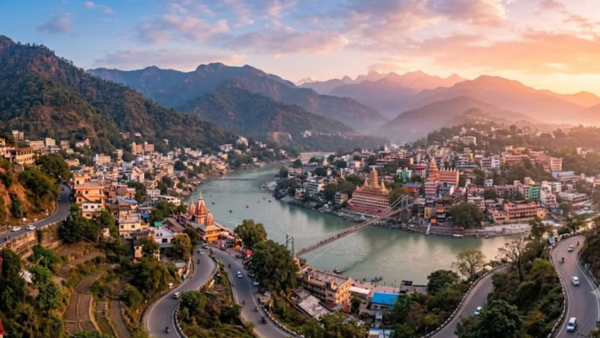
Thailand Joins China, Japan, Vietnam, India, and Malaysia in driving unprecedented growth in emerging destinations as travelers adjust their plans in response to Iran war flight disruptions, rising airfares, and increasing travel costs. Secondary cities and lesser-known locations are being favored for their safer, more affordable intra-regional options, offering easier access, cultural richness, coastal retreats, and heritage experiences. These destinations are increasingly becoming the preferred choice for both domestic and regional travelers seeking value, convenience, and immersive experiences away from traditional, crowded tourist hubs. Summer 2026 is witnessing a significant pivot in travel patterns across the Asia-Pacific region. Global travelers are increasingly opting for secondary and less congested cities, prompted by rising costs, ongoing geopolitical tensions, and flight disruptions caused by the Iran war. Traditional tourist hubs are seeing a relative decline, while emerging destinations are experiencing unprecedented growth. Hotels, investors, and tourism authorities are adjusting strategies to meet this changing demand, marking a notable shift in regional travel trends. The ongoing trend has been influenced heavily by domestic preferences and intra-Asia travel. Travelers are increasingly cautious of international routes passing through conflict-prone regions, opting instead for destinations closer to home.

Read more

Vietnam Airlines Expands Phuket Routes to Boost Thailand–Vietnam Tourism

Vietnam has strengthened tourism ties with Thailand by expanding air connectivity and joint promotional campaigns, creating unprecedented travel opportunities across ASEAN. This landmark partnership between the Tourism Authority of Thailand (TAT) and Vietnam Airlines coincides with the 50th anniversary of diplomatic relations and introduces new direct flights, including the Ho Chi Minh City–Phuket route, while coordinating marketing efforts, familiarisation trips, and joint initiatives to boost tourism, stimulate regional travel demand, and elevate cross-border travel experiences for millions of Southeast Asian travellers. In a major boost to Southeast Asia’s travel landscape, Vietnam and Thailand have officially deepened their tourism collaboration through a landmark partnership between the Tourism Authority of Thailand (TAT) and Vietnam Airlines. The move marks a milestone in regional cooperation, aligning with diplomatic celebrations and strategic economic goals designed to expand tourism, strengthen cultural exchange, and enhance air connectivity across the ASEAN region. The strengthened tourism pact was signed in Bangkok, Thailand during the official state visit of General To Lam, General Secretary of the Communist Party of Vietnam and President of the Socialist Republic of Vietnam, from 27–29 May 2026. This high‑level visit coincided with the 50th anniversary of Thailand–Vietnam diplomatic relations, underscoring the deepening ties between the two nations. The signing took place against the backdrop of the Thailand–Vietnam Business Forum 2026, where leaders reaffirmed their commitment to long‑term economic and tourism cooperation.

Read more

Experience-Led Travel Is Transforming the Future of Tourism Across Europe

Europe’s tourism industry is undergoing a profound transformation, one that goes beyond rising visitor numbers and recovering travel demand. Across destinations from Spain and Italy to France and Portugal, travelers are increasingly planning trips around experiences rather than simply selecting a destination and deciding activities later. Industry experts say this behavioral change is creating a new tourism economy where cultural immersion, local engagement, and memorable experiences are becoming the primary reasons people travel. For decades, travel planning followed a predictable pattern. Travelers first selected a destination, booked flights and accommodation, and then explored activities upon arrival. Recent tourism data and industry studies indicate that this pattern is evolving. Travelers are now increasingly choosing destinations based on the experiences they want to have, whether that involves culinary tours, heritage exploration, local cultural activities, or immersive community experiences. This shift is becoming particularly visible across Europe, where cultural and experiential tourism continues to gain momentum. Industry observers note that travelers are placing greater value on meaningful experiences rather than simply visiting famous landmarks. Cultural tourism research indicates that visitors increasingly seek authentic interactions with local communities, traditions, food, and heritage. Rather than passively observing a destination, travelers are looking to participate in it. This trend has fueled demand for guided experiences, cultural workshops, food tours, and locally organized activities throughout Europe.

Read more

The World’s Most Walkable Cities in 2026 Are Redefining Urban Travel Experiences

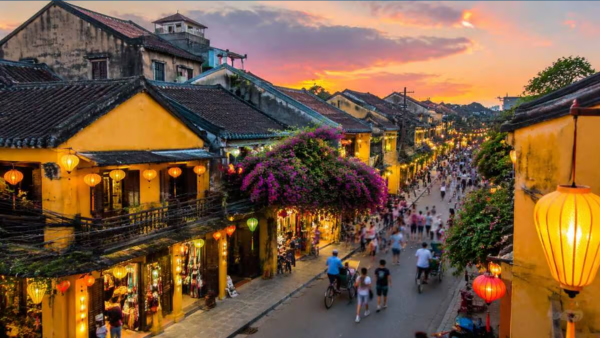
The way people choose destinations is shifting in a pretty noticeable way in 2026. Instead of rushing between attractions in taxis or tours, more travelers are leaning into slow, on-foot exploration. That’s exactly why the idea of top walkable cities in 2026 has become such a big talking point in global travel conversations. The top walkable cities in 2026 are not just convenient places to move around—they’re cities that feel alive at street level, where every corner adds something new to the experience. From Europe to Asia and the Americas, the top walkable cities in 2026 share a common thread: they’re designed for people first, not cars. That means compact neighborhoods, cultural landmarks close together, and streets that invite you to wander without a fixed plan. Walkability today isn’t just about sidewalks. It’s about how naturally a city flows when you’re on foot. The best examples tend to offer: Dense, connected neighborhoods where attractions are close together Safe and active pedestrian zones Public transport that supports short walking trips Street life that feels engaging rather than rushed Easy access to food, culture, and history within the same area This shift is also tied closely to sustainable tourism Vietnam, where cities are encouraged to balance visitor growth with environmental care and cultural preservation.

Read more