Lao Cai Villages Attract Tết Travelers, Homestays Fill Fast

As the 2026 Lunar New Year, or Tết, approaches, the villages of Lào Cai Province, located in the misty mountains of northwest Vietnam, have become a popular haven for travelers seeking a peaceful and authentic celebration away from the bustling city life. Renowned for its scenic landscapes, rich ethnic traditions, and vibrant local culture, Lào Cai has seen a dramatic rise in visitors who are eager to experience the charm of rural life during Vietnam’s most important holiday. The mountainous province, home to some of Vietnam’s best-known destinations, such as Sa Pa, Tả Van, Bắc Hà, Y Tý, Tú Lệ, and Mù Căng Chải, has been transformed into a magnet for tourists this holiday season. With a mix of fragrant mountain cuisine, unique cultural customs, and awe-inspiring landscapes, these areas are perfect for those seeking an off-the-beaten-path experience to welcome the new year. Tả Van, one of Lào Cai’s most picturesque villages, offers an idyllic setting for visitors. The village is set against a backdrop of rolling terraced fields, with narrow trekking paths leading through stilt houses and fields. The cool, crisp air and light spring rain that marks the early days of the year enhance the charm of the village, making it an inviting place for slow travel. Travelers here can enjoy leisurely walks, engage in meaningful cultural exchanges, and savor the beauty of rural Vietnam.

Read more

Kanda Hosts Vibrant Awa Odori Festival in April

The streets of Tokyo’s Kanda district will come alive this April as the iconic Awa Odori festival makes its return. Scheduled for April 18, this lively folk dance event is expected to draw both locals and international tourists eager to experience a traditional celebration of Japanese culture. With the festival now potentially set to take place every two years, it promises to become a must-see event for visitors seeking an authentic slice of Tokyo’s dynamic cultural scene. Awa Odori, originally from Tokushima Prefecture on Shikoku Island, has long been celebrated for its energetic and spirited traditional dance. The festival’s roots trace back to the 16th century, but it has grown into a major cultural event, attracting participants and audiences from all over Japan and beyond. Tokyo’s Kanda district, a bustling area known for its shopping, dining, and cultural sites, will be transformed into a vibrant hub of music, dance, and celebration this spring. For tourists, this marks a unique opportunity to immerse themselves in a truly authentic Japanese experience. The Kanda district, located in the heart of central Tokyo, is already a popular destination for visitors exploring the city’s blend of the traditional and modern. From the famous Kanda Shrine to the nearby Akihabara electronics district, Kanda offers a rich historical and cultural context. The addition of Awa Odori promises to enhance the district’s appeal, attracting travelers interested in experiencing Japanese folk traditions in a lively urban setting.

Read more

Kanda Hosts Vibrant Awa Odori Festival in April

The streets of Tokyo’s Kanda district will come alive this April as the iconic Awa Odori festival makes its return. Scheduled for April 18, this lively folk dance event is expected to draw both locals and international tourists eager to experience a traditional celebration of Japanese culture. With the festival now potentially set to take place every two years, it promises to become a must-see event for visitors seeking an authentic slice of Tokyo’s dynamic cultural scene. Awa Odori, originally from Tokushima Prefecture on Shikoku Island, has long been celebrated for its energetic and spirited traditional dance. The festival’s roots trace back to the 16th century, but it has grown into a major cultural event, attracting participants and audiences from all over Japan and beyond. Tokyo’s Kanda district, a bustling area known for its shopping, dining, and cultural sites, will be transformed into a vibrant hub of music, dance, and celebration this spring. For tourists, this marks a unique opportunity to immerse themselves in a truly authentic Japanese experience. The Kanda district, located in the heart of central Tokyo, is already a popular destination for visitors exploring the city’s blend of the traditional and modern. From the famous Kanda Shrine to the nearby Akihabara electronics district, Kanda offers a rich historical and cultural context. The addition of Awa Odori promises to enhance the district’s appeal, attracting travelers interested in experiencing Japanese folk traditions in a lively urban setting.

Read more

Thailand Offers Travel Aid Amid Middle East Flight Disruptions

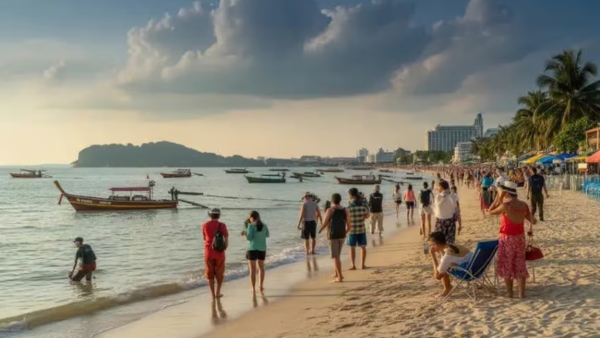
Thailand’s government has introduced a broad, coordinated travel support and tourism incentives programme aimed at foreign visitors whose journeys have been disrupted by flight cancellations linked to the ongoing crisis in Middle Eastern airspace. This initiative is officially overseen by the Tourism Authority of Thailand (TAT) and other government agencies, reflecting proactive crisis management as part of national tourism policy. With global flight networks severely affected and dozens of international services to and from the Middle East cancelled, Thailand is positioning itself as a safe and welcoming destination for travellers facing sudden itinerary changes. The government’s approach includes on‑ground assistance at Thailand’s international airports, collaboration with private sector partners to offer special travel deals, and expanded support services for those needing to extend their stay. Government Establishes Official Tourism Crisis Centre to Monitor Flight Disruptions In response to the escalating situation affecting air travel to and from the Middle East, the Tourism Authority of Thailand has activated a Tourism Crisis Monitoring Centre to coordinate support for affected tourists and passengers. The centre’s role is to track ongoing flight disruptions, provide up‑to‑date information, and manage collaborative efforts with airlines, airports and travel industry partners. This is a key official measure to improve traveller experience during an unpredictable travel climate. The Crisis Centre’s mandate extends to coordinating with international carriers, regional tourism offices and local tourism volunteers to ensure comprehensive support services are available. This includes logistical assistance, direct communication channels for travellers, and real‑time updates on travel options within Thailand’s borders.

Read more

Thailand Offers Travel Aid Amid Middle East Flight Disruptions

Thailand’s government has introduced a broad, coordinated travel support and tourism incentives programme aimed at foreign visitors whose journeys have been disrupted by flight cancellations linked to the ongoing crisis in Middle Eastern airspace. This initiative is officially overseen by the Tourism Authority of Thailand (TAT) and other government agencies, reflecting proactive crisis management as part of national tourism policy. With global flight networks severely affected and dozens of international services to and from the Middle East cancelled, Thailand is positioning itself as a safe and welcoming destination for travellers facing sudden itinerary changes. The government’s approach includes on‑ground assistance at Thailand’s international airports, collaboration with private sector partners to offer special travel deals, and expanded support services for those needing to extend their stay. Government Establishes Official Tourism Crisis Centre to Monitor Flight Disruptions In response to the escalating situation affecting air travel to and from the Middle East, the Tourism Authority of Thailand has activated a Tourism Crisis Monitoring Centre to coordinate support for affected tourists and passengers. The centre’s role is to track ongoing flight disruptions, provide up‑to‑date information, and manage collaborative efforts with airlines, airports and travel industry partners. This is a key official measure to improve traveller experience during an unpredictable travel climate. The Crisis Centre’s mandate extends to coordinating with international carriers, regional tourism offices and local tourism volunteers to ensure comprehensive support services are available. This includes logistical assistance, direct communication channels for travellers, and real‑time updates on travel options within Thailand’s borders.

Read more

Japan Cherry Blossom Season 2026 Sparks Early Tourist Rush

Japan’s iconic cherry blossoms, known as sakura, are expected to bloom earlier this year, thanks to unseasonably warm weather. This change in the blooming schedule has significant implications for tourism, with visitors flocking to Japan’s parks and scenic spots to witness the fleeting beauty of the sakura season. The cherry blossom season in Japan is one of the country’s most anticipated events, drawing millions of tourists every year. This year, however, the bloom is expected to come sooner than usual, making it even more important for travelers to plan their trips accordingly. The earlier bloom means that tourists who typically plan their sakura viewing during the peak period may need to adjust their travel dates to catch the blossoms in full bloom. Tourism in Japan Japan’s cherry blossoms typically bloom from late March to early April, but with warmer weather across the country, the bloom is expected to start in late February or early March. Tokyo, Kyoto, and other major tourist destinations are expected to see an earlier-than-usual peak bloom, providing travelers with an opportunity to experience one of Japan’s most celebrated natural phenomena a little sooner.

Read more