India Launches Lucknow–Kanpur Expressway Travel Boost

Uttar Pradesh is set to redefine intercity travel with the Lucknow–Kanpur Expressway, officially called National Expressway NE-6. Spanning 63 km from Amausi Airport in Lucknow to Azad Marg in Kanpur, this six-lane expressway will cut journey times from two hours to just 35–40 minutes. In addition, it offers modern infrastructure, advanced traffic monitoring, and smoother connectivity for commuters, logistics operators, and tourists. The grand opening in May 2026 will feature PM Narendra Modi and Defence Minister Rajnath Singh, highlighting the government’s commitment to modernising India’s road networks and providing commuters with reliable and safe travel. The expressway forms a key component of Uttar Pradesh’s broader urban and industrial development plan. It will connect major industrial hubs, educational institutions, hospitals, and logistics centres. With traffic congestion becoming a pressing concern on NH-27, NE-6 provides a long-awaited solution that combines speed, safety, and comfort. Authorities have focused on integrating advanced design with technology to enhance efficiency and reduce travel-related stress. Advanced Infrastructure and Design Features NE-6 showcases state-of-the-art engineering. The expressway features multiple infrastructural innovations that support fast and safe commuting. Key highlights include: A 10-km flyover in Lucknow that bypasses urban traffic bottlenecks. Four major bridges spanning rivers and local roads to ensure continuous travel. One railway overbridge allowing trains to pass without disrupting vehicular movement. Multiple underpasses connecting local roads for smooth suburban access. Five toll plazas designed for efficient traffic collection and minimal delay. In addition, NE-6 includes an Advanced Traffic Management System. The system monitors vehicle speeds and automatically issues challans for vehicles exceeding 120 km/h. Consequently, it enforces safety while encouraging disciplined driving. This integration of technology ensures commuters enjoy a modern, secure, and streamlined travel experience.

Read more

Kerala & Coastal Destinations Lead India’s Summer Travel Boom

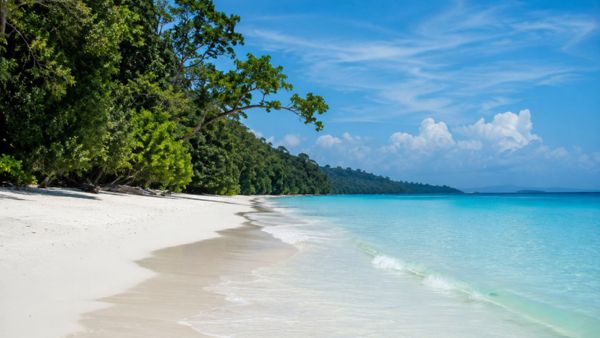
Kerala, Maharashtra, Karnataka, Andaman and Nicobar Islands and more are standing out as India’s go-to coastal retreats during peak summer months as rising temperatures push travelers toward cooler, sea-facing destinations that offer both relief and recreation. With diverse landscapes ranging from cliff-backed shores and quiet coves to island beaches with clear waters, these regions combine natural beauty, fewer crowds in select spots, and a mix of wellness, leisure, and water-based activities, making them ideal escapes from the intense summer heat. Many Indian beaches remain surprisingly quiet despite their popularity. For travelers seeking tranquility, several stretches offer privacy and solitude, far from crowded tourist hubs. The natural surroundings—from dense tropical forests and red laterite cliffs to mangroves and untouched coves—add to the charm. Beyond their aesthetic appeal, these beaches offer a blend of wellness, leisure, and adventure, making them ideal escapes from urban life. Radhanagar Beach, Andaman and Nicobar Islands Radhanagar Beach on Havelock Island is often recognized as one of Asia’s premier beaches. Best visited between November and May, it boasts pristine white sands framed by dense tropical forest and coconut palms. Its turquoise waters remain largely unspoiled, allowing for a peaceful experience far from the tourist crowds. The combination of calm waters, soft sand, and lush surroundings makes Radhanagar an ideal destination for relaxation and quiet contemplation. Palolem Beach, South Goa Palolem Beach, located in the southern region of Goa, is widely referred to as ‘Paradise Beach.’ Known for its calm waters and scenic palm-lined shores, it is perfect for swimming, kayaking, and dolphin watching. A unique feature here is the weekly silent disco, where visitors enjoy music through headphones without disturbing the serene environment. Early morning visits reveal stunning views of the coastline, while the presence of colorful fishing boats and beach shacks adds a lively charm during the day.

Read more

Singapore Tourism Revenue Hits Record SGD 32.8B in 2025

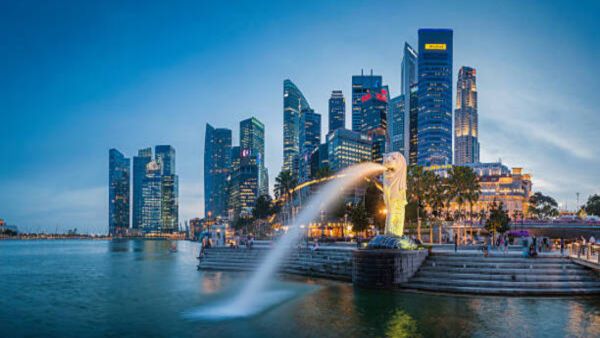
Singapore’s tourism sector surged to a record thirty-two point eight billion Singapore dollars in 2025, driven by robust demand from China, Malaysia, Japan, the United Kingdom, the Philippines, India, Australia, and other key markets. The growth reflects a combination of strategic infrastructure investments, including expanded airport and cruise facilities, and the rise of health and wellness tourism, which has attracted high-spending travellers seeking premium experiences. Regional connectivity, coupled with targeted efforts to diversify source markets, has positioned Singapore as a resilient and dynamic hub, capable of drawing millions of visitors even amid global economic uncertainty. This momentum underscores why Singapore continues to be a magnet for leisure, business, and niche tourism across the Asia-Pacific and beyond. Singapore’s tourism industry reached unprecedented heights in 2025, with total receipts surging to S$32.8 billion (US$25.9 billion), surpassing the previous record of S$23.5 billion in 2024. This remarkable growth underscores the city-state’s continuing appeal as a global travel hub, even as the sector braces for regional and global economic headwinds. Analysts point to rising international arrivals, infrastructure expansion, and strategic investment in niche tourism segments as key factors driving this performance. A significant portion of the sector’s growth is attributed to health and wellness tourism, which has gained traction across Asia and the Pacific in recent years. Singapore has positioned itself as a leading destination for medical and wellness travellers, combining world-class healthcare with high-end hospitality and integrated urban experiences. This focus has contributed to sustained inflows from traditional markets in China, Indonesia, Malaysia, India, the Philippines, Japan, and Vietnam, as well as long-haul visitors from Australia, the UK, and beyond. In a bid to sustain this momentum, the government has committed an additional S$740 million (US$582 million) over the next five years to the Tourism Development Fund, building on more than S$300 million (US$235 million) invested in 2024. These resources are earmarked for initiatives that enhance the visitor experience, support innovative tourism offerings, and strengthen Singapore’s competitiveness amid evolving global conditions. While 2025’s performance signals strong fundamentals, the industry remains mindful of external pressures, including energy volatility in the Middle East and shifts in consumer spending patterns, which could influence regional and international travel.

Read more

Turkey Revamps Cappadocia Tourism with Major Investments

Turkey is intensifying its efforts to elevate Cappadocia as a premier cultural tourism destination by supporting new thematic projects that celebrate the region’s unique heritage. By offering substantial financial incentives, tax breaks, and grants for museums, art galleries, and cultural centers, the government aims to attract high-spending international visitors who seek immersive experiences. This strategy responds to growing global demand for heritage and experience-based travel, while also encouraging longer stays, boosting local revenue, and creating employment opportunities in the region. The Turkish government has unveiled a substantial initiative aimed at expanding and diversifying tourism offerings in the central Anatolian region famed for its otherworldly landscape and ancient heritage. The program, spearheaded through a regional development agency operating under national economic development frameworks, is designed to attract higher‑spending international visitors by supporting a new generation of thematic tourism investments. Under the initiative, financial incentives and grant support will be made available for a range of tourism‑related projects, including museums with focused themes, art galleries, conference and congress centers, and exhibition facilities. These investments are intended to broaden Cappadocia’s appeal beyond its current strengths in natural scenery and historical sites, fostering deeper cultural engagement and longer stays by visitors. The region has long been known for its distinctive geological formations, centuries‑old cave dwellings, and rich archaeological record. It has also developed a reputation for drawing visitors with an interest in history and culture. Officials driving the new development strategy argue that the next phase of growth should build on this foundation by incorporating attractions that highlight specific elements of the region’s cultural legacy.

Read more

2026 International Travel Safety Guide for Smart Tourists

International travel continues to grow in 2026, with millions exploring new destinations every month. However, recent global security alerts highlight the importance of staying cautious while traveling abroad. These warnings are not meant to discourage travel but to help tourists stay informed and prepared. For modern travelers, safety awareness has become just as important as choosing destinations and planning itineraries. Understanding potential risks can make a significant difference in ensuring a smooth and enjoyable journey. Why Travel Alerts Matter for Tourists Governments regularly issue travel advisories to provide updated safety information. These alerts are based on intelligence reports, recent incidents, and changing global conditions. For travelers, such advisories act as guidance tools. They help identify regions where extra caution may be necessary. While most destinations remain safe, certain areas may carry temporary or localized risks.

Read more

Sri Lanka Emerges as a Must-Visit Global Travel Destination

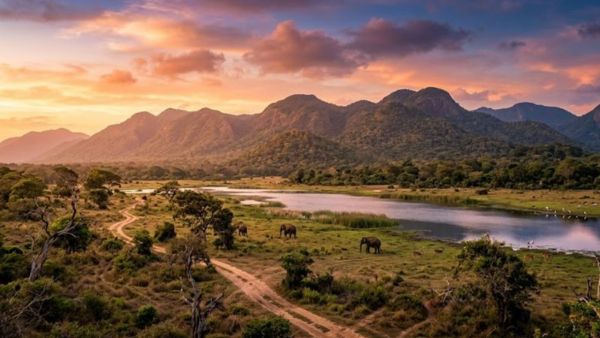
Sri Lanka has continued strengthening its position as one of the most extraordinary destinations in the international tourism landscape. Surrounded by the sparkling waters of the Indian Ocean, the island has increasingly earned recognition as the Magical Island because of its exceptional ability to combine spirituality, wildlife, ancient history, mountains, beaches, and deeply rooted cultural traditions within one unforgettable journey. Travelers arriving across Sri Lanka have frequently described their experiences as emotional, transformative, immersive, and deeply authentic. From the majestic rock fortress of Sigiriya to the sacred pilgrimage routes leading toward Sri Pada, every region of the island has continued introducing visitors to breathtaking scenery and centuries-old traditions that still influence everyday life. At the same time, Sri Lanka has steadily emerged as an important example of how modern tourism can evolve beyond rushed sightseeing and heavily commercialized attractions. Instead of offering only conventional vacations, the island has increasingly embraced sustainability, emotional connection, cultural immersion, and meaningful exploration. Scenic railway journeys crossing mist-covered mountains, peaceful tea plantations surrounding Nuwara Eliya, thrilling wildlife experiences in Yala National Park, palm-fringed tropical coastlines, and the timeless atmosphere of Galle Fort have all strengthened the island’s growing global tourism reputation. As international travelers increasingly prioritize authenticity, environmental awareness, and cultural richness, Sri Lanka’s influence on the future direction of worldwide tourism is expected to expand even more significantly in the coming years. Floating gracefully like a radiant jewel within the warm waters of the Indian Ocean, Sri Lanka has steadily positioned itself among the world’s most diverse travel destinations. Although relatively compact in geographical size, the island has consistently offered a remarkable variety of landscapes and experiences that many larger countries often struggle to provide within one journey.

Read more