Singaporeans Swap Tokyo and Paris for Emerging Hotspots Like Guiyang, Padang, and Warsaw in 2026

In recent years, Singaporean travelers have increasingly looked beyond the typical tourist hotspots for their holiday destinations. With growing interest in quieter towns, regional cities, and cultural centers, second-city travel is now gaining momentum. This trend is being fueled by a variety of factors, including rising travel costs, destination fatigue, and a desire for authentic, immersive experiences. As 2026 approaches, this shift is expected to continue, with a surge of interest in lesser-known cities, both in Asia and Europe. Second-city travel refers to visiting secondary cities or regional hubs instead of the typical global metropolises like Tokyo, Paris, or Bangkok. Historically, travelers flocked to major cities with famous landmarks, but now, more people are seeking the charm of quieter towns that offer a slower pace of life and a deeper connection to local culture. For Singaporeans, this trend is especially pronounced. As cost pressures rise and the desire for more meaningful experiences intensifies, many are opting for these overlooked destinations. The appeal lies in the affordability, cultural richness, and the ability to explore places that remain relatively untouched by mass tourism.

Read more

Indonesia Launches MaiA, a Revolutionary AI Platform Set to Transform Tourism

Indonesia has launched the Meticulous Artificial Intelligence of Indonesia (MaiA) to revolutionize the travel experience by providing tourists with a smarter, more personalized way to explore the country. This innovative AI platform, accessible via the official Indonesia.travel website, is designed to cater to the needs of modern travelers by offering customized recommendations, automatic itinerary creation, and interactive maps. With its ability to provide real-time information and tailored travel plans, MaiA aims to enhance convenience and enrich the overall tourism experience, making it easier for visitors to discover Indonesia’s diverse destinations. By embracing AI, Indonesia is positioning itself as a tech-forward destination that prioritizes convenience and personalized travel experiences for every tourist. Indonesia has recently unveiled a cutting-edge initiative designed to redefine the country’s tourism landscape and enhance the visitor experience. The Meticulous Artificial Intelligence of Indonesia (MaiA) has been launched as part of the nation’s broader efforts to rejuvenate its tourism sector. The artificial intelligence platform is accessible through the official Indonesia.travel website and aims to offer a more streamlined and personalized experience for both domestic and international travelers. MaiA is not just another AI tool; it serves as an advanced digital travel companion, designed to simplify the travel planning process. By integrating a range of intelligent features, the platform aims to make discovering, planning, and navigating Indonesia’s many diverse tourist destinations more efficient and enjoyable for users. The AI-powered platform works as a smart curator, suggesting tailored experiences based on individual preferences, travel history, and real-time information, making it an invaluable resource for tourists.

Read more

Uttarakhand Unveils Eco-Tourism Overhaul with New Green Destinations

Uttarakhand is emerging as a leading destination for eco-tourism, with plans to enhance its natural beauty while promoting sustainable travel experiences. The state’s government is focused on preserving its rich biodiversity through the development of eco-friendly tourism spots that benefit both the environment and local communities. With new trekking routes, a comprehensive eco-tourism policy, and models like the successful Jabarkhet Eco-Tourism initiative, Uttarakhand aims to balance tourism growth with conservation, ensuring that visitors can enjoy its pristine landscapes without compromising their future sustainability. Uttarakhand is positioning itself as a prime destination for eco-tourism with plans to enhance its natural landscapes and provide sustainable travel experiences. A high-level committee meeting, led by senior officials from the state’s Forest Department, recently convened in Dehradun to discuss the development of new eco-tourism spots across the region. The committee, which is tasked with charting the future of eco-tourism in Uttarakhand, is focused on creating an environment where the state’s natural beauty and rich biodiversity can be preserved while encouraging tourism that benefits local communities and the environment. The state’s vast forested areas are recognized as having immense potential for eco-tourism, and the meeting emphasized the need to identify specific sites that can be developed for this purpose. By integrating eco-tourism activities, Uttarakhand aims to offer unique travel experiences that focus on nature conservation, local culture, and environmental sustainability. The committee also discussed the necessity of a comprehensive trekking and mountaineering policy, which is set to be finalized by January 15.

Read more

Air India Leadership Change Poised to Boost Tourism and Strengthen India’s Global Aviation Presence

India’s leadership transition at Air India is set to redefine urban mobility and play a pivotal role in boosting the country’s tourism growth. With a renewed focus on expanding global connectivity, the change in leadership is expected to strengthen India’s position in the aviation sector, enhancing travel experiences and attracting international tourists. This strategic shift will not only improve operational efficiencies but also contribute to the country’s broader economic goals by increasing air traffic, encouraging inbound tourism, and elevating India’s stature in the global aviation landscape. India’s national carrier, Air India, is entering a pivotal phase of transformation as its owner initiates the search for new leadership, marking a significant turning point for the airline, tourism, and urban connectivity. This change comes as the current CEO nears the end of their tenure, triggering a renewed focus on how airline leadership impacts mobility, economic opportunity, and the performance of city-based airport systems. The leadership transition is not limited to Air India alone. The low-cost subsidiary within the group is also preparing for a change in leadership later in the decade, signaling a broader shift across both the premium and budget airline segments. Aviation analysts argue that this transition marks the move from stabilisation to long-term optimisation after years of restructuring, fleet modernisation, and network consolidation. This process has included expanding routes and modernising the fleet, all of which have been vital in reshaping Air India’s competitive position.

Read more

Bali to Introduce New Visitor Financial Checks in 2026 to Support Sustainable Tourism

Bali is set to roll out new financial checks for visitors in 2026, aimed at enhancing tourism sustainability and managing the challenges posed by the post-pandemic travel surge. The island, which has seen a sharp increase in visitor numbers since the pandemic’s end, will require travelers to provide proof of sufficient funds, such as bank statements, prepaid accommodations, and return tickets. This move is designed to ensure that tourism remains economically beneficial without overwhelming local infrastructure or resources. By instituting these financial checks, Bali hopes to attract visitors who can contribute positively to the economy while ensuring the long-term preservation of the island’s cultural and environmental landscape. Bali is taking significant steps to reshape its tourism landscape by introducing stricter entry requirements for foreign visitors. The move, aimed at promoting a more sustainable tourism model, comes in response to increasing concerns about the impacts of mass tourism on the island’s environment and culture. Set to come into effect as early as March 2026, the new measures will require international travelers to prove they have sufficient financial means to support their stay on the island. This includes providing bank statements, evidence of prepaid accommodation, and a confirmed return or onward ticket.

Read more

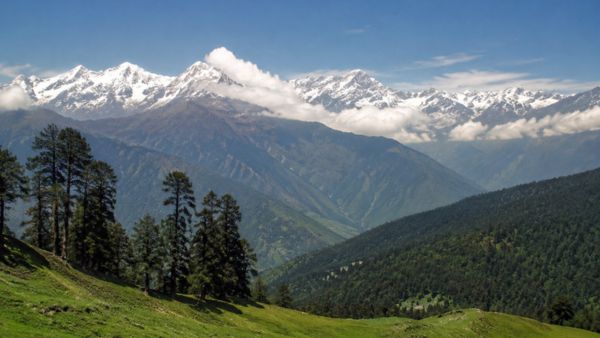
Arunachal Pradesh, Himachal Pradesh, Rajasthan, Uttarakhand, Assam, Tamil Nadu, and West Bengal let you escape the crowds

Arunachal Pradesh, Himachal Pradesh, Rajasthan, Uttarakhand, Assam, Tamil Nadu, and West Bengal let you escape the crowds with these offbeat January getaways because each of these states offers hidden gems that are far removed from the usual tourist hotspots. While popular destinations tend to be overcrowded during the winter months, these lesser-known regions provide the perfect opportunity to enjoy India’s natural beauty and cultural richness in peace. From the serene valleys of Arunachal Pradesh to the tranquil hill stations of Himachal Pradesh, and from the untouched landscapes of Assam to the historical haveli-filled lanes of Rajasthan, these destinations allow you to experience a quieter, more intimate side of India. The calm weather in January further enhances the charm, ensuring a peaceful retreat free from the usual crowds. Whether you seek nature, culture, or history, these states offer the perfect escape for a memorable winter break. January in India offers the perfect combination of pleasant weather, clear skies, and cool temperatures, making it an ideal month to travel. While popular tourist destinations tend to become crowded, many lesser-known places provide a tranquil escape and allow travelers to enjoy a peaceful and memorable vacation. If you’re seeking an offbeat winter getaway, here are some unique destinations that promise a refreshing experience away from the typical tourist spots.

Read more