Formula 1 Drives Istanbul’s Rise as a High-Value Tourism Hub

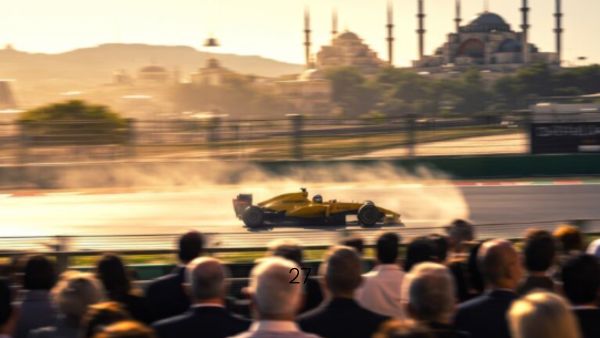
There is a specific frequency that resonates through the city of Istanbul when the world’s fastest cars arrive. It isn’t just the roar of the V6 turbo-hybrid engines echoing off the hills of Tuzla; it is the sound of a global metropolis shifting into a higher economic gear. As the Turkish Grand Prix prepares for its highly anticipated return to the Intercity Istanbul Park, the conversation has moved beyond mere sport. For the Turkish government and the tourism sector, Formula 1 is the ultimate “high-value” engine. It is a strategic tool designed to attract the world’s most affluent travelers, filling five-star hotels, luxury boutiques, and fine-dining establishments from the Bosphorus to the Golden Horn. The Power of the “F1 Demographic” Why does a three-day race weekend matter so much to a city that already attracts millions of visitors? The answer lies in the profile of the Formula 1 fan. F1 isn’t just a race; it’s a lifestyle event. Data shows that the average international traveler arriving for a Grand Prix spends significantly more than the typical tourist. These are “high-value” visitors who don’t just book a room; they book suites. They don’t just eat out; they seek out Michelin-starred experiences. According to tourism officials, a single F1 spectator can contribute up to four times more to the local economy than a traditional leisure traveler. Humanizing this economic surge means looking at the concierge at a luxury hotel in Beşiktaş or the private yacht captain on the Bosphorus. For them, F1 weekend is the pinnacle of the year. It represents a surge in demand for bespoke services, private tours, and high-end hospitality that sustains thousands of jobs in the premium sector. Istanbul Park: The Stage for a Global Audience At the heart of this strategy is the Intercity Istanbul Park circuit. Designed by Hermann Tilke, it is widely regarded by drivers and fans alike as one of the best modern tracks in the world. Its legendary “Turn 8”—a quadruple-apex left-hander—is a test of physical endurance and engineering prowess that captivates a global television audience of over 400 million viewers.

Read more

Predictive AI Set to Transform Travel Booking in 2026

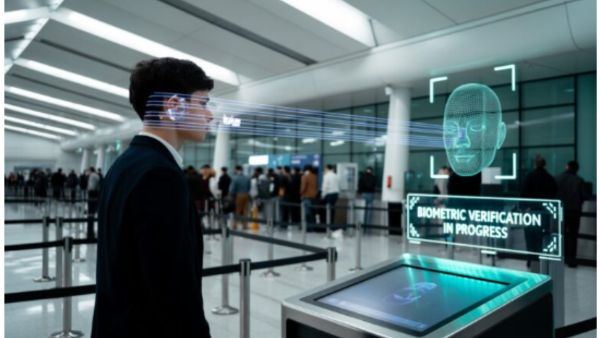
There is a silent, high-velocity energy currently pulsing through the sleek terminals of Changi and Suvarnabhumi—a sense that the physical barriers of travel are finally evaporating into a cloud of data and light. For those of us who have felt the frustrating sting of a long security queue or the frantic search for a misplaced passport while juggling luggage, the news of the 2026 Smart Technology revolution is a powerful win for the spirit of effortless discovery. We all know that magical, hair-raising feeling of walking through a gate and having it open simply because the world recognizes who you are, and today, that feeling is becoming the standard for millions of global explorers. In 2026, as travelers pivot away from the “paper-and-plastic” era and toward a digital-first identity, the journey is proving that technology is the ultimate hospitality. It is a moment of absolute triumph for the modern traveler, showing that when we embrace the power of the algorithm, we unlock more time for the actual experience. The horizon of global travel just got a lot more streamlined, and the invitation to step into the “Frictionless Frontier” is officially open to the modern explorer. The Latest Breaking News: Biometrics Shatter the 40% Wait-Time Barrier Today In a strategic and high-velocity move to dominate the 2026 efficiency market, major international transit hubs have officially successfully transitioned to a “Face-as-a-Passport” model. The viral update of the day is that biometric integration has reduced airport processing times by over 40% in high-traffic corridors like Singapore and Tokyo. According to reports aligned with the International Air Transport Association (IATA) and various government digital transformation portals, facial recognition is now the primary mode of verification for roughly 85% of long-haul passengers. Experts shared through indirect speech that this isn’t just about speed; it’s about a structural shift toward biometric sovereignty. They remarked that travelers are no longer just passengers; they are walking digital keys that interact seamlessly with the infrastructure of the world right now.

Read more

Sri Lanka Emerges as a Top Travel Destination for Adventure and Serenity

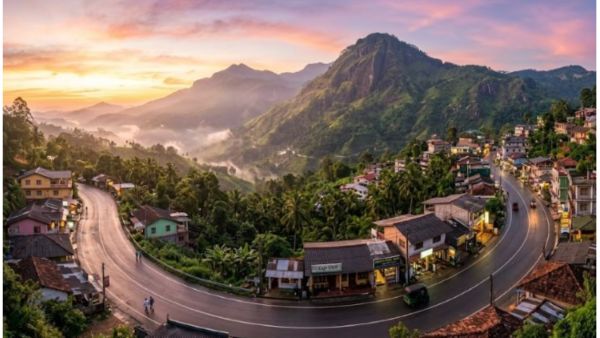
Sri Lanka currently stands as a shining beacon of hope within the international tourism sector. It serves as a primary model for national recovery and aesthetic brilliance in the modern age. Today’s adventurers are increasingly discerning. They constantly search for locales that offer a harmonious blend of personal security and creative inspiration. Consequently, Exploring Sri Lanka: A Safe and Captivating Travel Destination has transformed into a fundamental objective for those who traverse the globe. This island territory provides a rare and precious juxtaposition of maritime allure and high-altitude majesty. Guests find themselves discovering profound serenity within ancient temples. Others experience adrenaline-fueled moments deep inside pulsating jungles. Therefore, the global community now notices a monumental shift toward this resilient jewel of the Indian Ocean. Every geographical mile tells a vivid story of survival and rebirth. Local citizens welcome visitors with an authentic warmth that defines true hospitality. Indeed, this destination perfectly masters the art of the guest experience. The emergence of the island as a premier destination has sent ripples through the global travel industry. It was observed that the nation’s strategy for revival has set a new benchmark for how smaller countries can leverage their natural and human capital. Industry analysts have noted that when a country successfully prioritizes stability and infrastructure, it shifts the entire global narrative. Travelers are no longer just looking for a vacation; they are looking for a sense of security paired with genuine wonder. Reports indicate that this shift toward “experiential travel” is largely driven by the island’s ability to offer deep cultural immersion. Because the nation has effectively navigated its past economic and political complications, it now provides a blueprint for resilience. This impacts the industry by encouraging more sustainable and community-focused tourism models. Global voyagers now see the island as a reliable “safe haven,” which boosts the confidence of international flight operators and global hospitality providers to invest further in the region.

Read more

Bali Leads Tourism Shift with AI & VR Experiences

Indonesia is pioneering a new era in tourism with the integration of AI and Virtual Reality, particularly in Bali, where these technologies are enhancing the travel experience. By offering virtual tours of the island’s stunning, lesser-known attractions, travelers can explore Bali’s hidden gems before even setting foot on the island. This innovation not only makes travel more accessible and engaging but also helps local businesses thrive by attracting a global audience, ensuring Bali remains at the forefront of sustainable and immersive tourism in the digital age. The rise of Artificial Intelligence (AI) has transformed numerous industries, and tourism is no exception. As AI technology advances, the travel industry is adapting to enhance the tourist experience, promote new destinations, and support local businesses. One of the latest innovations in Indonesia’s tourism sector is the launch of the Meticulous Artificial Intelligence of Indonesia (MaiA) platform, which aims to reshape how both domestic and international tourists explore the archipelago, including its renowned island, Bali. Transforming Tourism with AI and VR in Bali The MaiA platform, powered by Google’s Gemini, integrates AI to offer tailored travel solutions for those exploring Indonesia’s diverse destinations. This service is designed to provide personalized travel recommendations and enhance the way tourists discover, experience, and plan their trips. With Bali being one of the primary destinations, the platform plays a significant role in helping travelers explore the island’s unique offerings in a more convenient, tech-driven manner. The Indonesian government has recognized the potential of AI to revolutionize the tourism industry, and the launch of MaiA represents a key step towards this goal. Bali, with its world-renowned beaches, cultural landmarks, and lush landscapes, stands to benefit greatly from this innovation as it helps bring lesser-known attractions to the forefront while meeting the needs of a digital-savvy, global audience.

Read more

Little Rangers Club Redefines Outdoor Learning for Kids

Little Rangers Club is making waves in Singapore by providing children with a one-of-a-kind learning and adventure experience. Catering to kids aged 5 and above, the club is offering a mix of weekly sports classes and engaging holiday camps that focus on physical fitness, life skills, and outdoor exploration. These innovative programs aim to build confidence, resilience, and a sense of adventure in children, setting the stage for a generation of empowered individuals. Weekly Sports Classes: More Than Just Physical Fitness One of the core offerings at Little Rangers Club is its weekly sports classes, which are designed to engage children in various sports while fostering teamwork and leadership skills. The club’s classes provide an opportunity for children to explore different sports, such as soccer and basketball, and learn the fundamentals of each one. Each session is structured to encourage not only physical development but also emotional growth. Coaches emphasize the importance of sportsmanship, teaching children to respect their peers and enjoy the competitive spirit. The focus on teamwork and cooperation encourages children to build meaningful relationships while gaining valuable lessons that extend beyond the sports field. By participating in these classes, children improve their athletic abilities, learn to handle challenges, and become better equipped to navigate life’s obstacles.

Read more

Ho Chi Minh City Hosts Banh Mi Festival 2026 Crowd Surge

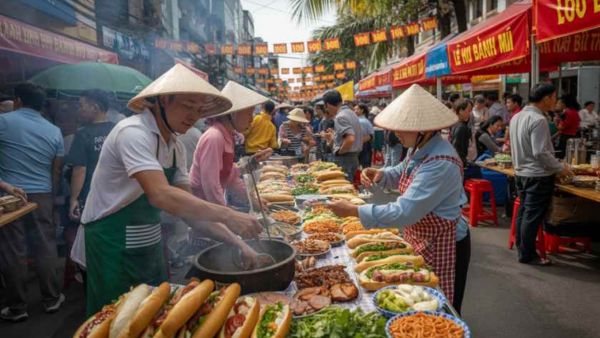
Ho Chi Minh City’s fourth annual Banh Mi Festival kicked off on April 23, 2026, attracting thousands of locals and tourists eager to celebrate Vietnam’s beloved sandwich. Held at Le Van Tam Park, a central location surrounded by Hai Ba Trung, Dien Bien Phu, and Vo Thi Sau Streets, the event has become one of the most anticipated food festivals in the city. Running from April 23 to 26, the festival is dedicated to showcasing the rich cultural significance and international appeal of Banh Mi, with the theme “Vietnamese Bread: A World Culinary Value – Spreading Across Five Continents.” This year’s edition features 167 food stalls, offering an array of traditional and modern takes on the iconic Vietnamese sandwich, drawing massive crowds eager to sample the city’s best Banh Mi. With its mix of savory fillings, crispy bread, and vibrant fresh ingredients, Banh Mi has become a symbol of Vietnamese street food, and the festival is a perfect opportunity for food lovers to indulge in this unique culinary delight. Long queues, bustling food stalls, and the irresistible aroma of grilled meats and fresh herbs filled the air as people lined up to enjoy their favorite Banh Mi brands. A Look at the 2026 Banh Mi Festival: Stalls, Tastes, and Traditions The 2026 Banh Mi Festival is the fourth installment of this now-annual celebration of Vietnamese cuisine. The festival has maintained its reputation for offering a broad variety of Banh Mi options, representing the rich diversity of the sandwich across Vietnam. This year’s event features 167 stalls, each showcasing the diverse flavors and styles of Banh Mi, from classic fillings of pork, chicken, and beef to innovative modern variations with seafood and vegetarian options.

Read more