Bhutan International Travel Mart 2026 Highlights Regenerative Tourism Vision

The global tourism landscape is set to witness a significant transformation as the Bhutan International Travel Mart (BITM) 2026 is officially introduced to the world stage. This inaugural event, which is scheduled to be held in the capital city of Thimphu from June 11 to 13, 2026, represents a strategic endeavor to solidify the nation’s status as a premier high-value travel destination. By facilitating direct engagement between international buyers and local stakeholders, the initiative is designed to foster sustainable tourism practices that align with the kingdom’s long-standing philosophy of Gross National Happiness. The event is organized through a collaborative effort between the Department of Tourism under the Ministry of Industry, Commerce and Employment and the Association of Bhutanese Tour Operators (ABTO). This partnership underscores a collective commitment to elevating the national economy while preserving the cultural and environmental integrity of the region. Through the BITM 2026, a platform is provided where business-to-business (B2B) meetings and networking opportunities can flourish, ensuring that the unique allure of the Himalayas is communicated effectively to a global audience. A Strategic Vision for National Prosperity The conceptualization of this travel mart is rooted in the desire to convert increasing global interest into tangible domestic benefits. It is observed that by inviting influential international travel trade professionals to the heart of the kingdom, a more resilient economy can be supported. The focus remains steadfastly on value over volume, a principle that has defined the tourism model of the country for decades. Through these high-level interactions, revenue is expected to be driven directly into local communities, thereby facilitating job creation and long-term economic stability. The narrative of the event is centered on the transition of the tourism sector into a new era. This era is characterized by regenerative practices that do not merely sustain the environment but actively contribute to its restoration and the well-being of its people. By hosting the mart within the country, local tour operators are given the rare opportunity to showcase their services and products on their home turf, allowing for a more authentic and impactful presentation of the Himalayan experience.

Read more

Vietnam Trade Surge with Singapore Reshapes Regional Travel & Business

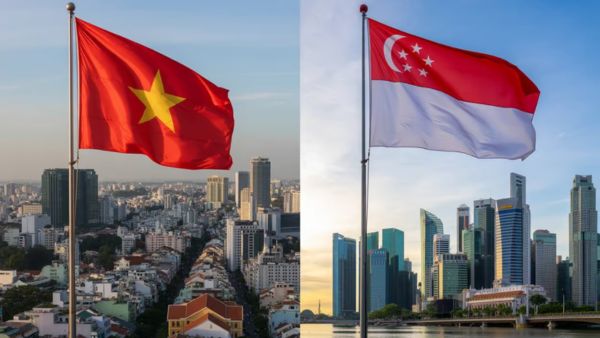
In today’s fast-moving Asia latest news, one story that keeps standing out is the steady rise of Vietnam Singapore trade growth. It’s not just another trade statistic update—it actually shows how two Southeast Asian economies are tightening their connection while the global economy keeps swinging between uncertainty and recovery. According to official data from Singapore’s Ministry of Trade and Industry and Enterprise Singapore, this growth reflects real structural changes in bilateral trade, especially across manufacturing, energy, and high-tech supply chains. What makes this even more interesting is how deeply both countries are now tied into global value chains, especially in electronics and machinery. Trade Relationship Expands Across Key Sectors Vietnam has managed to hold its position as Singapore’s 10th largest trading partner, and the momentum behind Vietnam Singapore trade growth continues to build. The strongest activity is seen in three major product groups: Nuclear reactors, boilers, machinery and mechanical appliances (HS84) Electrical machinery and equipment (HS85) Mineral fuels, oil and related products (HS27) Within electrical machinery HS85, trade flows have been especially dynamic. Singapore’s exports to Vietnam increased by 9.4%, while imports from Vietnam jumped by 147%. That kind of movement is not small—it shows how quickly Vietnam is becoming a major production hub for electronics. Meanwhile, HS84 machinery products recorded export growth of 24.7% and import growth of 245.5%, reflecting strong industrial exchange. HS27 energy-related trade also expanded sharply, with exports rising 15.5% and imports surging 380.9%, influenced in part by global fuel price movements.

Read more

Thailand Launches 5-Point Plan to Boost Economy & Tourism

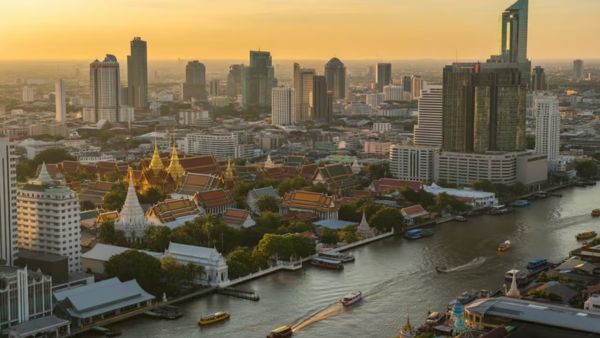
In Thailand latest news, the government has introduced a wide-ranging economic package designed to ease household expenses, support farmers and businesses, and push the country deeper into global trade networks. In Thailand latest news, government spokesperson Rachada Dhanadirek confirmed that the initiative brings together five coordinated policy areas under the Thailand five-part economic plan, focusing on both immediate relief and long-term economic strength. A Closer Look at the National Economic Direction In Thailand latest news, officials described the approach as a connected strategy rather than isolated policies. The aim is to balance everyday cost relief with deeper structural reforms that improve competitiveness across agriculture, industry, and trade. The main pillars include: Expanding international trade opportunities Supporting SMEs and protecting local industries Improving agricultural income and productivity Reforming investment systems and regulations Reducing household and production costs Each part is designed to support the others, forming a single coordinated economic direction.

Read more

Japan Eases Transit Travel for Indians via France

In a groundbreaking shift set to revolutionize air travel for Indians, Japan, alongside the United Kingdom, Germany, the United States, and Singapore, has joined the ranks of countries simplifying transit for Indian travelers. Beginning April 10, 2026, Indian nationals will no longer require a transit visa when passing through France, marking a significant step towards seamless international travel. This move comes as part of a broader diplomatic effort to ease travel restrictions, strengthen bilateral ties, and foster smoother connectivity between India and major global players, offering enhanced convenience for travelers while boosting tourism and business exchanges between the nations involved. Indian Travelers No Longer Need Transit Visa for France Starting April 10, 2026 In a significant move aimed at enhancing travel ease and fostering closer diplomatic ties between India and France, the Indian Ministry of External Affairs (MEA) announced on April 10, 2026, that Indian nationals will no longer be required to obtain a transit visa when passing through French airports. This change, effective immediately, is the result of a decision made by the French government to exempt Indian travelers transiting through French territories from the previously mandatory visa requirement. The new policy marks a notable step forward in India-France relations, reflecting both nations’ commitment to deeper cooperation. A Strategic Step in Strengthening Bilateral Ties During a routine media briefing, MEA spokesperson Randhir Jaiswal confirmed the exciting news, indicating that the Indian government welcomed the move. This latest development is part of broader efforts to foster stronger ties between India and France, including the deepening of their “Special Global Strategic Partnership.” The move is designed to simplify travel and encourage smoother exchanges between the two nations.

Read more

Ho Chi Minh City Updates Visa Rules for Indian Travelers

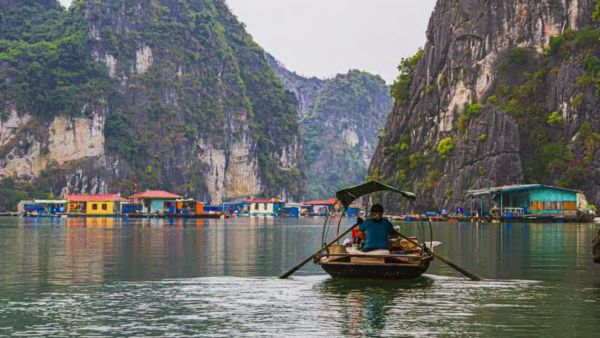
Vietnam has launched a transformative overhaul of its visa and immigration procedures at Ho Chi Minh City’s Tan Son Nhat International Airport, introducing groundbreaking new digital arrival requirements aimed at significantly enhancing the entry experience for Indian travelers. This bold move seeks to streamline and expedite the immigration process by replacing traditional paper forms with a digital system, ensuring faster and more efficient processing. As Vietnam continues to modernize its immigration infrastructure, these changes are designed to reduce congestion, minimize wait times, and provide a seamless travel experience, making it easier than ever for Indian nationals to enter the country without unnecessary delays. Vietnam Introduces Digital Arrival Card for All International Travelers at Ho Chi Minh City Airport Effective from April 15, 2026, Vietnam has introduced a major update to its immigration process for international travelers arriving at Tan Son Nhat International Airport in Ho Chi Minh City. The country now mandates that all incoming foreign nationals complete a new Digital Arrival Card (DAC) online before arrival. This new requirement, which is in addition to securing a Vietnam e-visa, aims to streamline the entry process and reduce congestion at Vietnam’s busiest airport. In the face of growing international traffic, Vietnam is focusing on enhancing its immigration procedures to improve efficiency and convenience for travelers. The Digital Arrival Card replaces the traditional paper arrival forms, marking a significant shift toward a fully digital immigration process. All travelers—whether coming for business, tourism, or other reasons—will need to submit essential personal and travel details online before they land in Vietnam.

Read more

Krabi Leads Sustainable Coastal Tourism Growth in Thailand

Thailand’s Krabi is emerging as a pivotal destination in the country’s tourism transformation, combining stunning natural beauty with a commitment to sustainability. As global travelers increasingly seek destinations that offer both luxury and environmental responsibility, Krabi stands out by providing an authentic experience that supports conservation efforts while driving tourism growth. The province’s blend of picturesque landscapes, eco-friendly initiatives, and improved infrastructure positions it as a leading model for the future of tourism, showcasing how destinations can thrive without compromising the environment. Krabi: Thailand’s Emerging Coastal Gem Combining Nature, Growth, and Sustainability for Future Tourism Thailand’s tourism sector, already one of the world’s most prominent, is currently undergoing a significant transformation, with a focus on sustainability and responsible growth. Among the numerous destinations, Krabi has quietly emerged as a shining example of this evolving vision. Known for its stunning limestone cliffs, clear turquoise waters, and charming islands, Krabi has long been recognized as a paradise for beach lovers. However, in recent years, the province has been gaining attention for its efforts to balance tourism growth with environmental conservation, positioning itself as a model for Thailand’s future in tourism. Krabi has steadily climbed the ranks of Thailand’s top tourist destinations, largely due to its stunning natural beauty. The province stretches along the Andaman Sea, offering visitors breathtaking landscapes of rugged cliffs, serene beaches, mangrove forests, and picturesque islands. This area has become increasingly significant for Thailand’s overall tourism growth, with Krabi being promoted not only as a top tourist hotspot but also as a leader in sustainable travel. The Tourism Authority of Thailand (TAT) has placed Krabi at the forefront of international marketing campaigns, promoting the province as a prime example of modern tourism—where environmental responsibility and tourism expansion go hand in hand.

Read more