Europe’s Tourism Giants Unite in a Power Push for Global Dominance
- Nov 17,2025
- Travel and Tour World
Portugal unites with Malta, Spain, Ireland, and more in a jaw-dropping battle to dominate the world’s tourism market. This strategic alliance of European nations is not just about attracting more tourists—it’s about transforming their tourism industries into global powerhouses. With bold, ambitious plans for the next decade, each country is positioning itself as a leading destination on the world stage. Portugal, with its sustainable tourism strategy, aims to elevate its status while Malta focuses on high-quality visitors. Spain and Ireland are also on the front lines, using innovation and sustainability as their main weapons. Together, these nations are forging ahead with a shared vision to compete with the world’s top tourism destinations. As they unite to challenge the status quo, this dynamic group of countries is set to change the future of global tourism in ways we’ve never seen before. Portugal: Leading the Charge with Its Vision 2027 Portugal’s tourism industry is already a major contributor to its economy, but the country isn’t stopping there. The government has set its sights on becoming one of the most competitive and sustainable tourism destinations globally with its Tourism Strategy 2027 (ET2027). This long-term plan, which runs through to 2027, is ambitious, aiming to not only increase tourism numbers but also enhance the overall visitor experience. The strategy focuses on attracting high-value tourists and promoting sustainability. By 2027, Portugal plans to increase the number of overnight stays to 80 million and reach a €26 billion tourism revenue target. The country is leveraging its natural beauty, rich cultural history, and world-class hospitality to appeal to international visitors, while also focusing on enhancing infrastructure and improving sustainability. Portugal’s tourism strategy is a clear example of how a nation can position itself as a global leader in the tourism industry. Malta: Aiming for Sustainable Growth with a Decade-long Strategy Malta, though small in size, is aiming big with its National Tourism Strategy 2021-2030. The country’s tourism board has set clear objectives for the next decade, focusing on quality tourism rather than sheer volume. Malta wants to enhance its reputation as a sustainable, high-value destination for tourists, particularly those seeking cultural and heritage tourism experiences. The strategy outlines measures to diversify the tourism market and build a more resilient industry that can weather global challenges. By 2030, Malta aims to increase tourism revenues while ensuring that the environmental impact of tourism remains minimal. The country plans to achieve this through smarter marketing, investing in digital tools, and aligning itself with global sustainability trends. By focusing on these factors, Malta hopes to rise as one of the most sought-after European destinations for discerning travellers. Spain: A Sustainable Future with the 2030 Tourism Strategy Spain is already one of the most visited countries in the world, but it has bigger ambitions. The Sustainable Tourism Strategy of Spain 2030 is a roadmap for the country’s tourism industry, aimed at solidifying its position as a global leader. Spain’s focus is on sustainable tourism—balancing economic growth with environmental preservation. The country’s 2030 strategy looks to enhance the overall experience for visitors while making the tourism industry more inclusive and diverse. Spain is targeting sustainable growth by fostering cultural and eco-tourism while reducing the carbon footprint of its tourism sector. The plan aims to increase Spain’s share of global tourism revenue and ensure that the country remains at the top of tourists’ must-visit lists for years to come. Spain’s tourism plan includes modernising infrastructure, improving transport links, and offering high-quality services. Through these initiatives, Spain aims to position itself as a leading example of sustainable tourism, offering tourists not just a trip but an unforgettable experience.
Read more
UK Drives Surging Outbound Travel at Portugal Airports in 2025
- Nov 17,2025
- Travel and Tour World
UK outshines France, Spain, Germany, Italy, and more as the top outbound travel market driving unprecedented growth at Portugal’s airports in 2025. This dominance is largely due to the UK’s strong economic and tourism ties with Portugal, coupled with increased flight availability and cost-effective travel options. As a result, British travelers continue to flock to Portugal, fueling airport traffic and contributing to the country’s broader tourism recovery. While other European countries remain important players, the UK stands out as the primary driver of growth, helping Portugal maintain its position as a top European destination. Portugal’s aviation sector is enjoying remarkable growth in 2025, with its airports processing millions of passengers, indicating a robust recovery from earlier years. This growth is primarily driven by outbound travel markets, particularly from the United Kingdom, which has become the key source of travel traffic for the country. The UK’s dominance in driving traffic to Portuguese airports has overshadowed other European markets, such as France, Spain, Germany, and Italy, each of which continues to play an important role in Portugal’s tourism sector. This article delves into the dynamics of these markets and the significant role they have in driving Portugal’s airport growth, as well as their contribution to the country’s broader tourism recovery.
Read more
Dubai Takes the Crown: Now the World’s No.1 Airport Hub for 2025
- Nov 17,2025
- Travel and Tour World
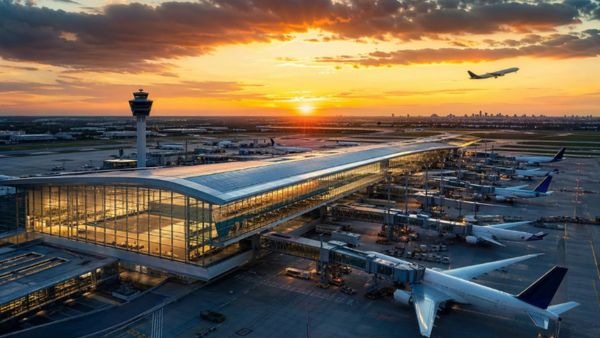
In a landmark shift for global aviation, Dubai International Airport (DXB) has dethroned Hartsfield-Jackson Atlanta International Airport (ATL) to claim the title of the world’s busiest airport in 2025. This dramatic achievement underscores Dubai’s relentless investment in infrastructure, technology, and the overall passenger experience. It reflects the UAE’s ambition to be a leading hub for international travel, positioning itself as a key player in the global tourism and aviation sectors. DXB’s rise to the top marks a new era for air travel, where passenger satisfaction and operational excellence are at the forefront, pushing the boundaries of what travelers can expect from a modern airport. Dubai’s Rapid Rise: From Vision to Reality Dubai’s strategic location, nestled between Asia, Europe, Africa, and the Americas, has long positioned it as a global aviation hub. However, it is the city’s forward-thinking investments and seamless integration between airlines and airport facilities that have been crucial in this remarkable feat. DXB now comfortably accommodates more passenger capacity than Atlanta, reflecting Dubai’s growing influence on the aviation world. As of November 2025, Dubai International offered an impressive 5.29 million available seats, surpassing Atlanta’s 5.12 million seats by 2%. This milestone is even more impressive when you consider that Dubai operates no domestic flights. The city’s flagship carriers, Emirates and flydubai, have expanded their fleets significantly, incorporating advanced aircraft like the Airbus A350, which further boosts Dubai’s global air connectivity. DXB’s Innovation Fuels Its Growth Dubai’s airport infrastructure is a key pillar of its success. Over the years, the city has invested heavily in making DXB a state-of-the-art terminal that integrates cutting-edge biometric technology, frictionless security, and advanced passenger services. Dubai aims to not only move people faster but to enhance their overall travel experience. This is reflected in the design of the airport, which blends comfort with efficiency. The commitment to offering an immersive and luxurious airport experience has positioned DXB as more than just a transit point—it has become an iconic destination in its own right. With features such as automated boarding and personalized services, Dubai has set a new standard for global airports. This strategic shift has allowed the airport to grow faster and handle more traffic than any of its competitors, including Atlanta. The Road Ahead: Expanding Beyond DXB Despite this triumph, Dubai’s ambitions do not stop here. The city is already laying the groundwork for the future with the construction of Dubai World Central (DWC), a next-generation airport set to surpass DXB’s current capacity. With plans for five runways and a target passenger capacity of 260 million annually, DWC promises to be a game-changer for global aviation, reinforcing Dubai’s position as a global travel leader. The move to DWC will not only increase capacity but will also set new standards in terms of airport design and technology integration. As Paul Griffiths, CEO of Dubai Airports, has pointed out, the focus is shifting from expansion to transformation. The goal is to create an airport where passengers will not only travel seamlessly but also enjoy the experience. Dubai’s Rise Sends a Strong Message to Global Tourism Dubai’s new status as the busiest airport is more than just a victory for the aviation industry—it also positions the UAE as a key player in global tourism. As DXB expands, tourists will have access to a broader range of destinations, and they will experience smoother, more comfortable travel. For global visitors, Dubai offers a rich array of cultural experiences and high-quality accommodation options, making it one of the world’s most appealing travel hubs. Moreover, Dubai’s open skies policy and investment in global route networks allow for faster travel to key destinations, boosting regional tourism. As a central transit point, Dubai is becoming more accessible for travelers heading to Asia, Africa, Europe, and beyond. What Travelers Can Expect From DXB and DWC Travelers can expect cutting-edge technologies and innovative features at both DXB and DWC. Here are a few tips for navigating Dubai’s modern airports: Frictionless Security: DXB and DWC airports are equipped with biometric systems and automated boarding processes, allowing passengers to breeze through security and immigration without delays. World-Class Amenities: Enjoy top-tier shopping, dining, and leisure facilities. From luxury boutiques to relaxation lounges, Dubai’s airports cater to every passenger’s needs. Connected Routes: With Dubai now holding the title of the busiest airport, there are more international routes than ever before, offering travelers access to a wide range of destinations.
Read more
India–China Reconnect: Direct Delhi–Shanghai Flights Resume After Five Years
- Nov 10,2025
- Travel and tour world
India and China are reigniting their air connectivity as China Eastern Airlines resumes its Delhi to Shanghai flight service after a five-year hiatus. This significant development is not only a win for travelers but also a major step toward enhancing the economic and diplomatic relationship between the two nations. With the restart of this direct route, business exchanges, tourism, and cultural ties between India and China are set to gain new momentum, further solidifying their growing partnership. China Eastern Airlines is set to resume its flight services between Delhi and Shanghai starting on Sunday, signaling a major step in the revival of air connectivity between India and China. This resumption comes after a hiatus of nearly five years, a period during which flight services were suspended due to the COVID-19 pandemic and further delayed by the prolonged border standoff in eastern Ladakh. The restarting of services follows a broader effort to restore diplomatic relations between the two countries. The flight will depart from Delhi at 8 PM, with an early arrival in Shanghai on Monday morning. The return service from Shanghai will take off at 12:30 PM, landing in Delhi by 6 PM, and flights will operate every alternate day. This service is part of China Eastern’s strategic initiative to increase its presence in the Indian market and to cater to the growing demand for direct air travel between the two countries. This announcement is expected to not only enhance connectivity between India and China but also facilitate stronger people-to-people ties and boost trade, tourism, and economic interactions between the two nations. India has become one of the fastest-growing economies globally, while Shanghai is considered one of the leading financial and business hubs in Eastern China. This new air link is seen as a vital bridge between two of the world’s largest and most influential economies. With China Eastern leading the charge in the resumption of direct flights between Delhi and Shanghai, the airline is positioning itself as a key player in the growing demand for travel between the two countries. Passengers will benefit from improved connectivity, making travel easier for business executives, tourists, students, and families. The ease of travel will likely lead to a boost in tourism, as both nations are keen to promote tourism as a key area of mutual cooperation. This renewed flight service is also in line with the strategic development plans of the two countries. It will help strengthen bilateral relations, foster cultural exchanges, and provide better access to the flourishing Eastern China region. Beyond Shanghai, this region includes important industrial and technological hubs such as Hangzhou, a leading center for artificial intelligence, and Yiwu and Keqiao, both of which are global trading and textile capitals. For India, this means a direct gateway to a part of China that plays a vital role in the global economy. The resumption of flights follows the early steps taken by other carriers, with IndiGo, India’s largest airline, beginning daily flights from Delhi to Guangzhou on November 10. The airline had also resumed services from Kolkata to Guangzhou on October 26, further restoring connections between India and China after a long period of suspended operations.
Read more
Saudi Tourism Showcases New Investment Opportunities at WTM 2025
- Nov 10,2025
- Travel and tour world
At WTM 2025, the Saudi Tourism Authority (STA) significantly strengthened its global presence by showcasing the Kingdom’s ambitious tourism vision, solidifying its role as a key player in the global tourism market. The event provided a platform for Saudi Arabia to unveil new investment opportunities, forging meaningful partnerships with international industry leaders. Through strategic engagements, the STA highlighted the country’s growing appeal, featuring its diverse destinations, world-class events, and innovative projects that promise to drive the next phase of tourism growth in Saudi Arabia. This robust presence underscores Saudi Arabia’s commitment to building a sustainable and globally competitive tourism sector. The Saudi Tourism Authority (STA) and its strategic partners made a significant impact at World Travel Market (WTM) 2025, captivating the global travel industry with a powerful showcase of Saudi Arabia’s world-class events, entertainment, and iconic destinations. From the ancient wonders of the Kingdom to the pristine beaches of the Saudi Red Sea, and the vibrant cultural energy of cities like Jeddah and Riyadh, the Kingdom demonstrated its diverse tourism offerings. Saudi Arabia’s presence at WTM emphasized the country’s commitment to building meaningful global partnerships, unlocking new investment opportunities, and delivering world-class tourism experiences. This approach signals the beginning of a new chapter in the growth of Saudi tourism, making it a key player on the global tourism stage. Over the three days of the event, 71 Saudi partners engaged with international travel trade professionals at the immersive “Saudi Land” pavilion. This showcase offered a broad selection of bookable products, innovative travel packages, and flagship experiences. Highlights included the luxury openings and the unveiling of new entertainment ventures, such as the launch of the Six Flags Qiddiya City, which promises to be a major draw for tourists seeking thrilling amusement park experiences. A special highlight of WTM 2025 was the inaugural Destination Management Organization (DMO) Awards at Saudi Land. The awards celebrated excellence and authenticity in destination management. Diriyah was recognized with the ‘Best Authenticity’ Award for its exceptional incorporation of Saudi culture and heritage into the tourism experience. Qiddiya was honored with the ‘Best Operational Excellence’ Award, acknowledging its outstanding service delivery, strong product knowledge, and innovative use of digital tools to enhance guest experiences. Al Madinah earned the prestigious ‘Best of Show’ Award for its all-around excellence, combining authenticity, operational efficiency, and measurable commercial impact.
Read more
Oman Expands Global Tourism Reach at WTM 2025 with Strategic Digital Partnerships
- Nov 10,2025
- Travel and tour world
Home » TOURISM NEWS » Oman Strengthens Its Global Tourism Footprint At WTM 2025 With Strategic Partnerships To Drive Digital Transformation And Global Connectivity Oman Strengthens Its Global Tourism Footprint At WTM 2025 With Strategic Partnerships To Drive Digital Transformation And Global Connectivity Published on November 9, 2025 Oman global connectivity. Oman is making a significant leap in its global tourism strategy at WTM 2025, where it showcased its commitment to digital transformation and enhancing global connectivity. Through key strategic partnerships with leading global travel platforms, Oman is positioning itself as a forward-thinking destination, ready to attract a broader international audience. These collaborations aim to empower local tourism providers, streamline digital distribution, and ultimately elevate the country’s visibility as a premier destination for travelers worldwide. Visit Oman made a significant and impactful presence at the World Travel Market (WTM) London 2025, marking a pivotal moment in the country’s drive to modernize its tourism industry and further elevate its position on the global stage. With a focus on leveraging digital transformation, Visit Oman aimed to enhance the reach of Oman’s tourism offerings and empower local tourism providers and small- and medium-sized enterprises (SMEs). The WTM London event provided an ideal platform for Visit Oman to engage with travel industry professionals, build valuable strategic partnerships, and lead conversations on the future of travel technology and distribution. As the global travel industry continues to evolve, digital solutions have become crucial for destinations looking to remain competitive and accessible to a broader audience. Oman’s focus on innovation aligns with its ambition to position itself as a cutting-edge, experience-rich destination for global travelers. A standout feature of Visit Oman’s participation at the event was the announcement of a series of strategic partnerships with leading global travel platforms. Among these are well-established players in the travel industry, including companies like TUI Musement, Klook, and Bókun, a Tripadvisor company. These collaborations are key to Visit Oman’s efforts to digitally transform its tourism sector, enhancing connectivity and visibility across international markets. The partnerships are set to integrate Oman’s diverse tourism offerings, including its accommodation, experiences, and services, into the digital platforms of some of the largest travel companies in the world. These agreements are expected to: Empower local tourism providers and SMEs through real-time digital distribution, allowing them to showcase their products and services to a wider global audience. Position Oman’s wide array of cultural, adventure, and luxury experiences on major international booking platforms, making it easier for travelers to plan and book their trips to Oman. Elevate Oman as a dynamic and rich destination for travelers seeking a blend of history, nature, and modernity, offering experiences that cater to a wide range of interests and demographics. Each of these partnerships represents a crucial step forward in Oman’s efforts to build a sustainable, digitally connected tourism ecosystem. By expanding its presence on global platforms, Oman is not only increasing its visibility but also improving accessibility to the destination. As international tourism trends shift, having a strong digital presence is essential to attracting travelers and staying competitive in an increasingly tech-driven world.
Read more